
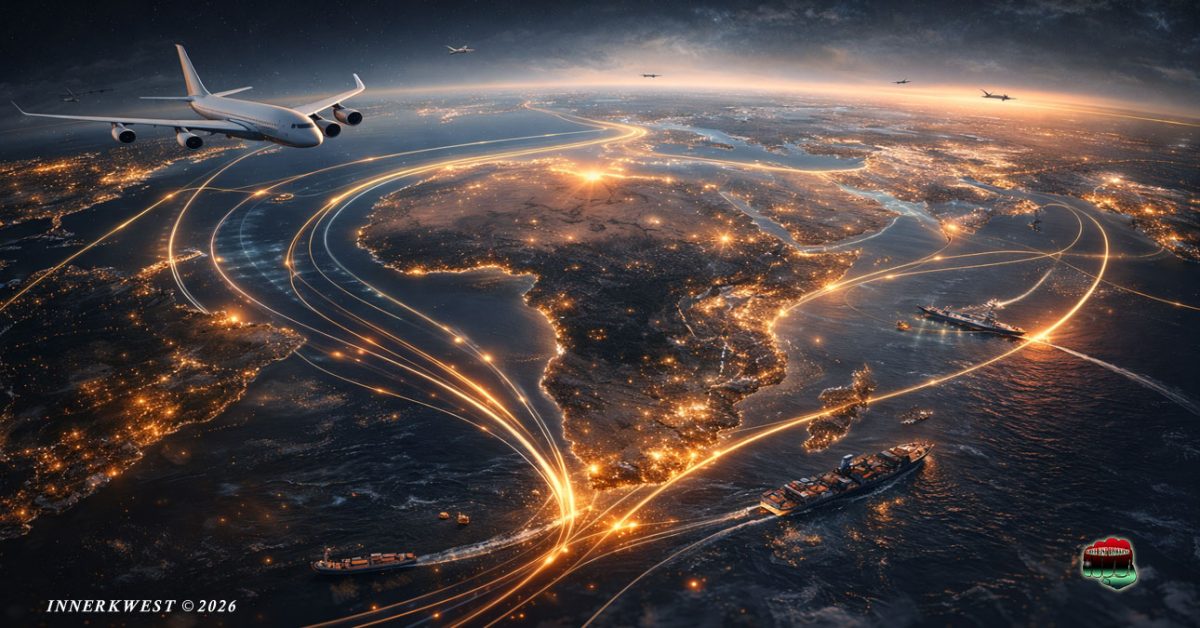
The war in the Middle East may be triggering an unexpected shift in global logistics, with airlines and shipping companies increasingly turning toward Africa’s strategic geography.
Community Sentinel Blog
The war in the Middle East may be triggering an unexpected shift in global logistics, with airlines and shipping companies increasingly turning toward Africa’s strategic geography.

The war with Iran is no longer confined to the battlefield. Oil markets, Gulf airports, and U.S. politics are becoming part of the conflict’s expanding economic front.

Alexandr Wang built Scale AI at 19, creating the data infrastructure that trains many of the world’s most powerful artificial intelligence systems.
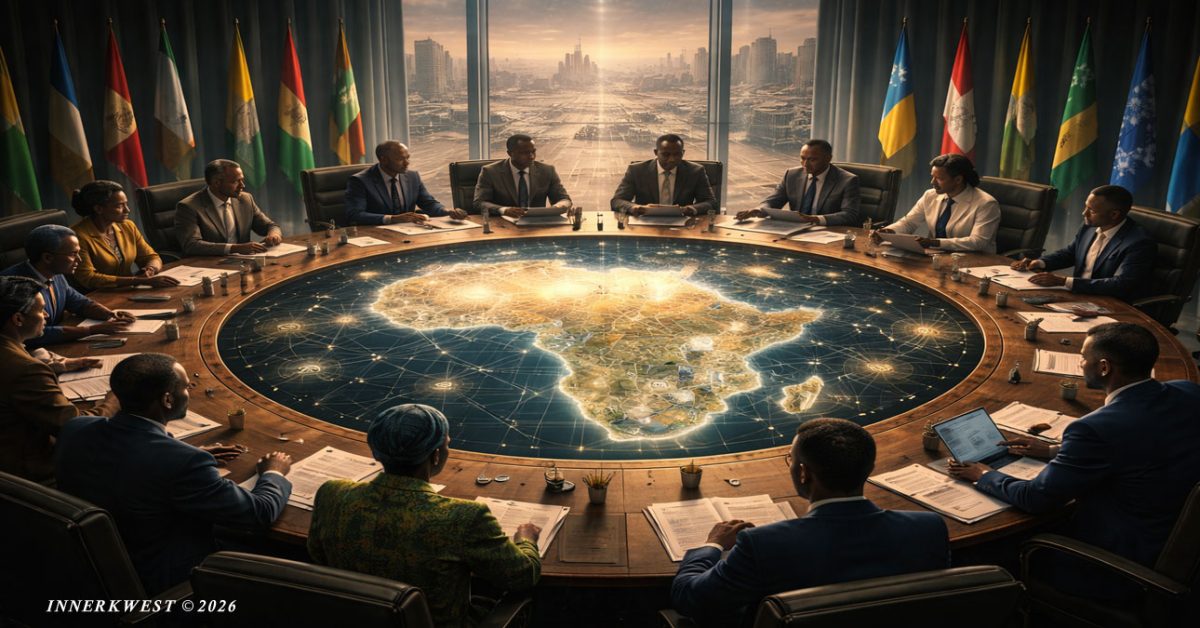
By InnerKwest Intelligence Desk | March 2026 SERIES | The Legitimacy Shift: Power, Representation, and the Future of Global GovernanceSpecial Analysis Independence on Paper, Constraint in Practice Across Africa, sovereignty is constitutionally affirmed, internationally recognized, and symbolically celebrated. Yet sovereignty operates on more than parchment. It functions through control over currency, security, capital flows, intelligence, and institutional leverage. The tension …
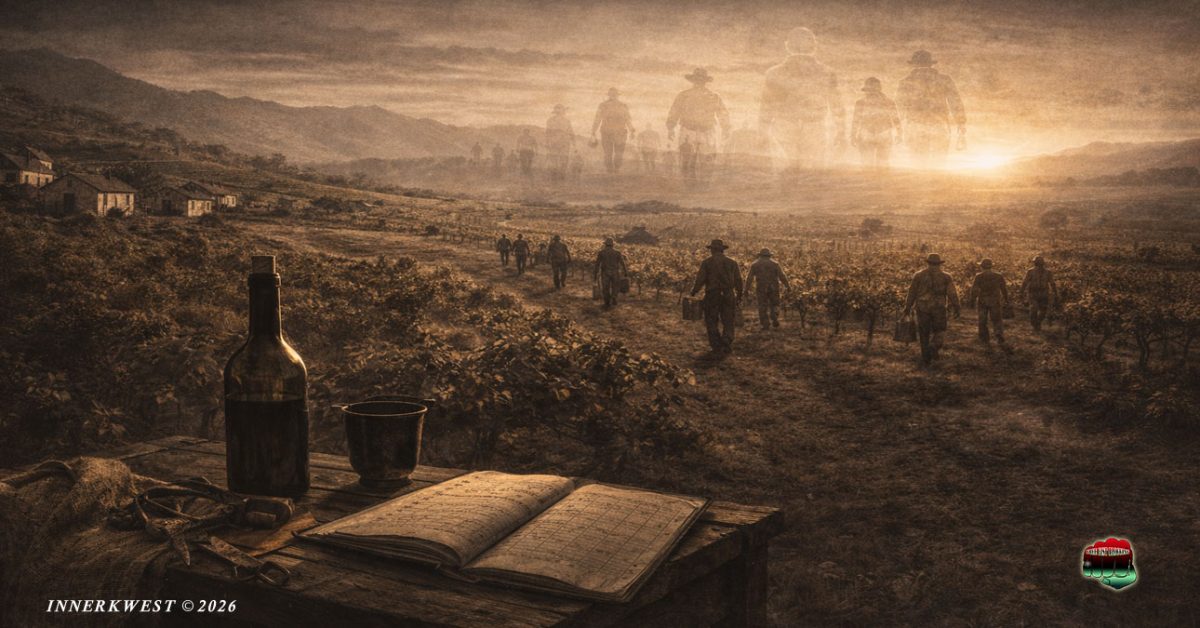
The Dop system transformed labor control into dependency, embedding addiction and inequality into South Africa’s agricultural economy with consequences still felt today.
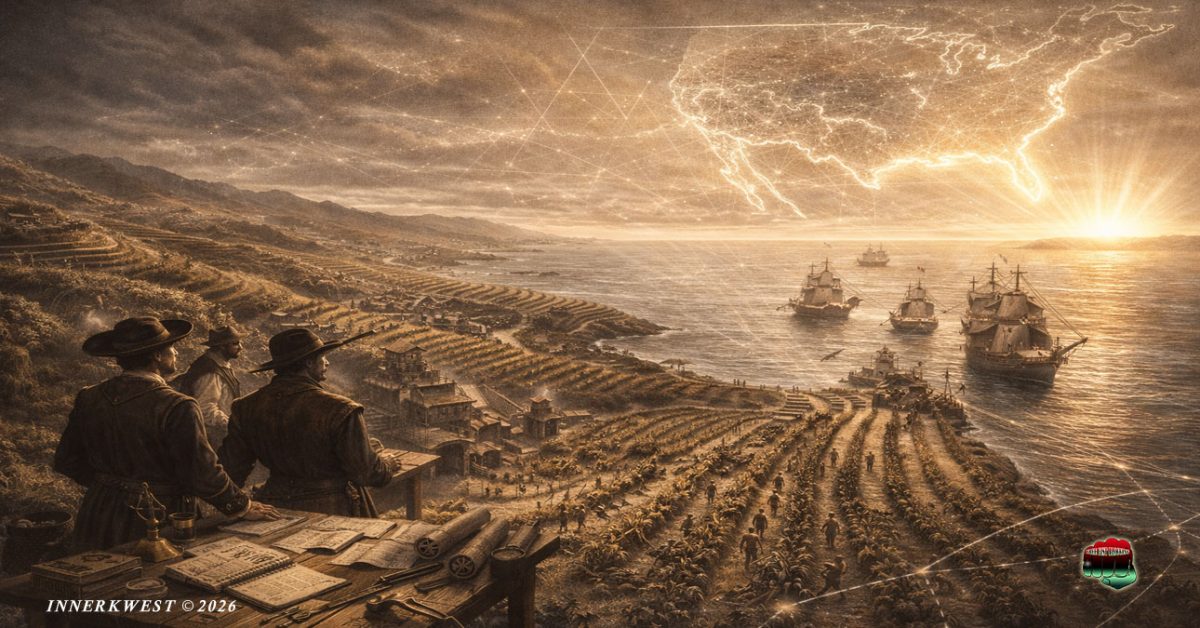
Before Haiti and before American expansion, Madeira served as the experimental ground where plantation capitalism emerged and reshaped the modern economic order.
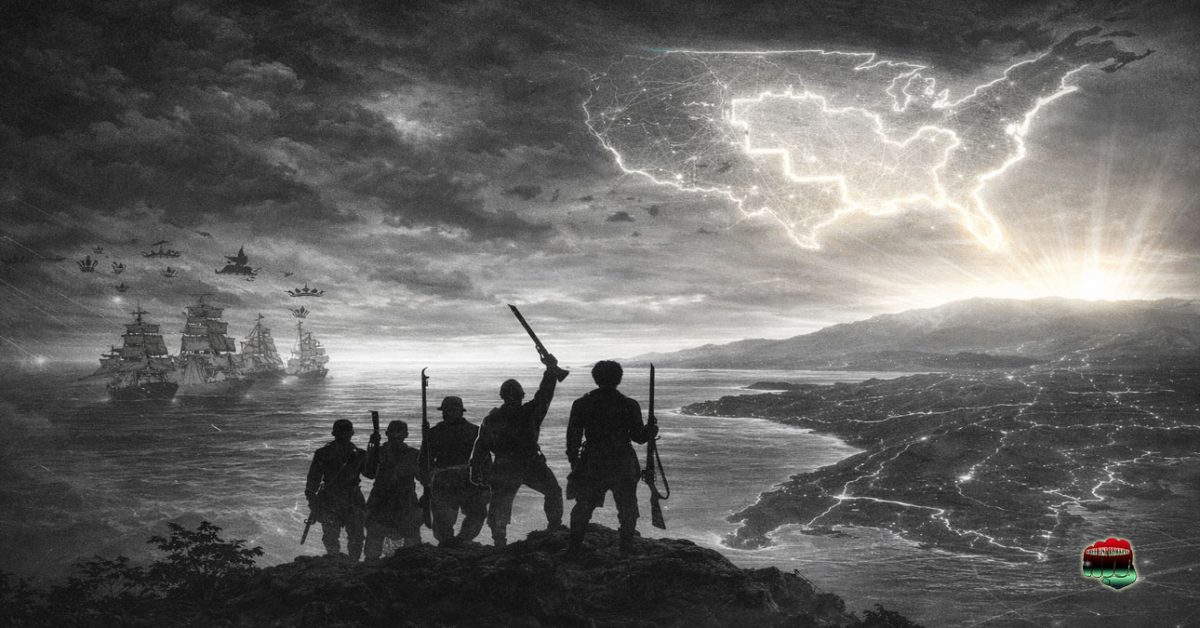
Haiti’s successful slave revolution forced France out of the Americas and triggered the Louisiana Purchase, reshaping the balance of global power and American expansion.
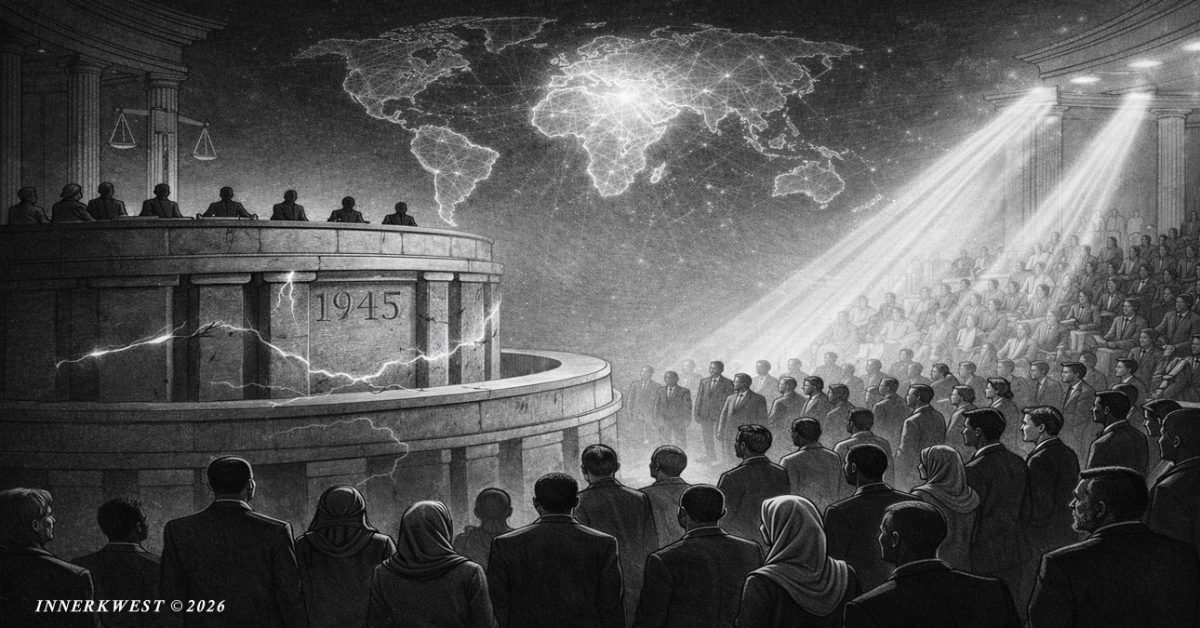
Western resistance to reforming global governance reflects deeper concerns about legitimacy, influence, and power in a rapidly changing international order.
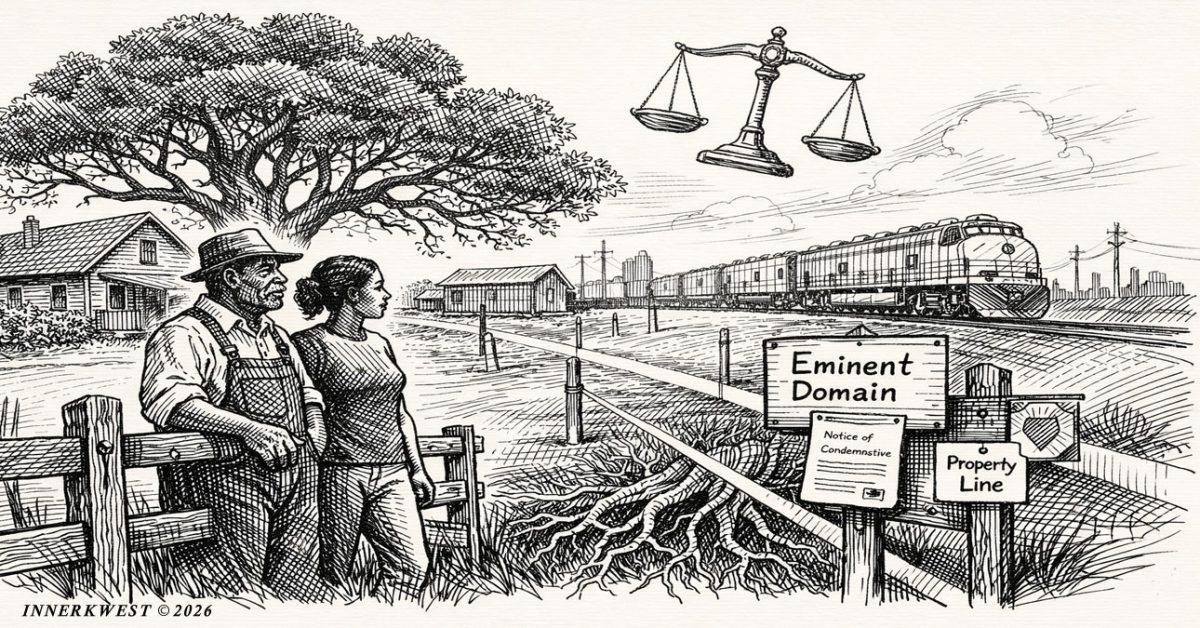
A Georgia family’s fight to protect generational land from eminent domain reflects a broader American pattern: development pressures colliding with Black landownership and the fragile foundations of generational wealth.
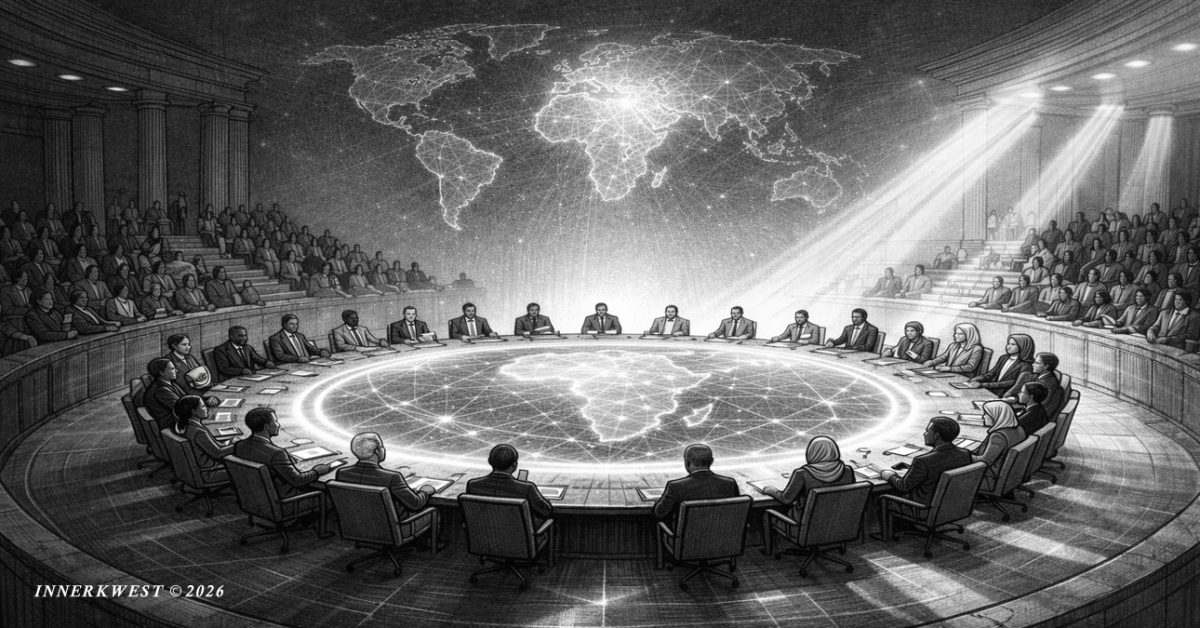
Africa’s rise is reshaping global power dynamics. This analysis examines how demographic growth, strategic resources, and diplomatic leverage are driving demands for global governance reform.