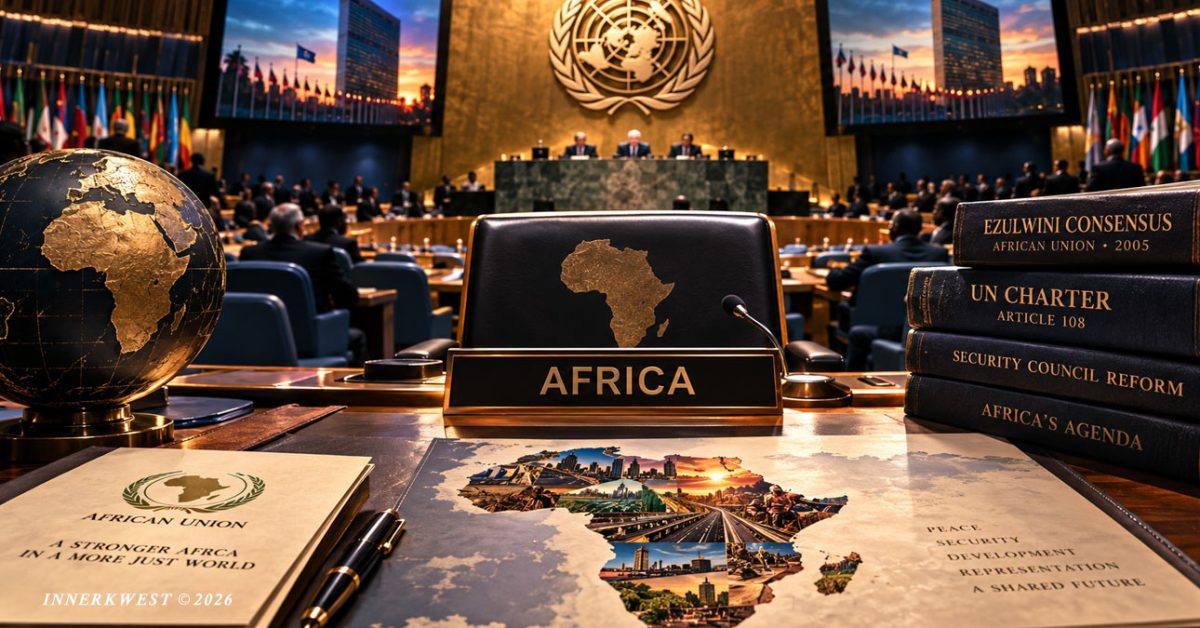
For two decades, the African Union has maintained a common position on reforming the United Nations Security Council through the Ezulwini Consensus. As Africa’s population, economic influence, and diplomatic role continue to grow, the continent remains without permanent representation on the Security Council. This InnerKwest Special Investigation examines the historical origins of the current structure, the reforms Africa is seeking, and why changing the institution remains one of global diplomacy’s greatest challenges.
Legal Sovereignty vs. Operational Control: The CFA Franc, AFRIPOL, and the Limits of African Autonomy
By InnerKwest Intelligence Desk | March 2026 SERIES | The Legitimacy Shift: Power, Representation, and the Future of Global GovernanceSpecial Analysis Independence on Paper, Constraint in Practice Across Africa, sovereignty is constitutionally affirmed, internationally recognized, and symbolically celebrated. Yet sovereignty operates on more than parchment. It functions through control over currency, security, capital flows, intelligence, and institutional leverage. The tension …
Africa’s Seat at the Table: How a Rising Continent Is Forcing Global Governance Reform
Africa’s rise is reshaping global power dynamics. This analysis examines how demographic growth, strategic resources, and diplomatic leverage are driving demands for global governance reform.