A new KIMCHI token appeared. Connected wallets moved within seconds. Another Kimchi token surged toward $15 million before collapsing after promotional posts disappeared. Then a change to a social-media biography moved the market again. The transactions are visible. The knowledge behind them is not.

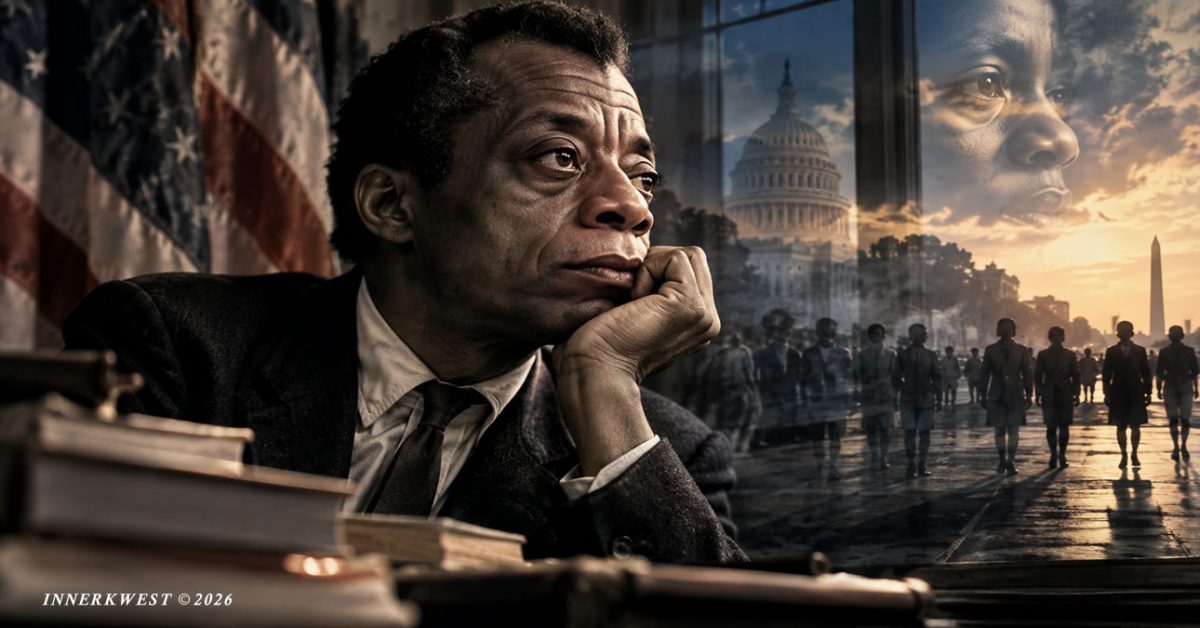
James Baldwin in Retrospect: When the American Dream Entered the Examination Room
James Baldwin understood that the American Dream could not be examined solely through its promises of prosperity and freedom. Its deeper meaning rested in the distance between the nation’s professed ideals and the experiences of those excluded from their fulfillment. In retrospect, Baldwin’s examination of America remains an unsettling measure of the country’s unfinished moral and democratic obligations.
When Europe’s Warning Lights Begin to Look Familiar
Europe’s unrest may not foretell America’s future, but the pressures beneath it—aging populations, debt, migration, housing scarcity, technological disruption and declining institutional confidence—are becoming increasingly familiar across the Atlantic.
When Dependency Becomes Optional: Africa’s Institutional Break from the Old Economic Order
Political independence did not dismantle every economic structure Africa inherited. Now, from payment systems and African capital to trade, credit ratings, energy and security, new institutions are beginning to change what economic sovereignty can mean—and who determines its terms.
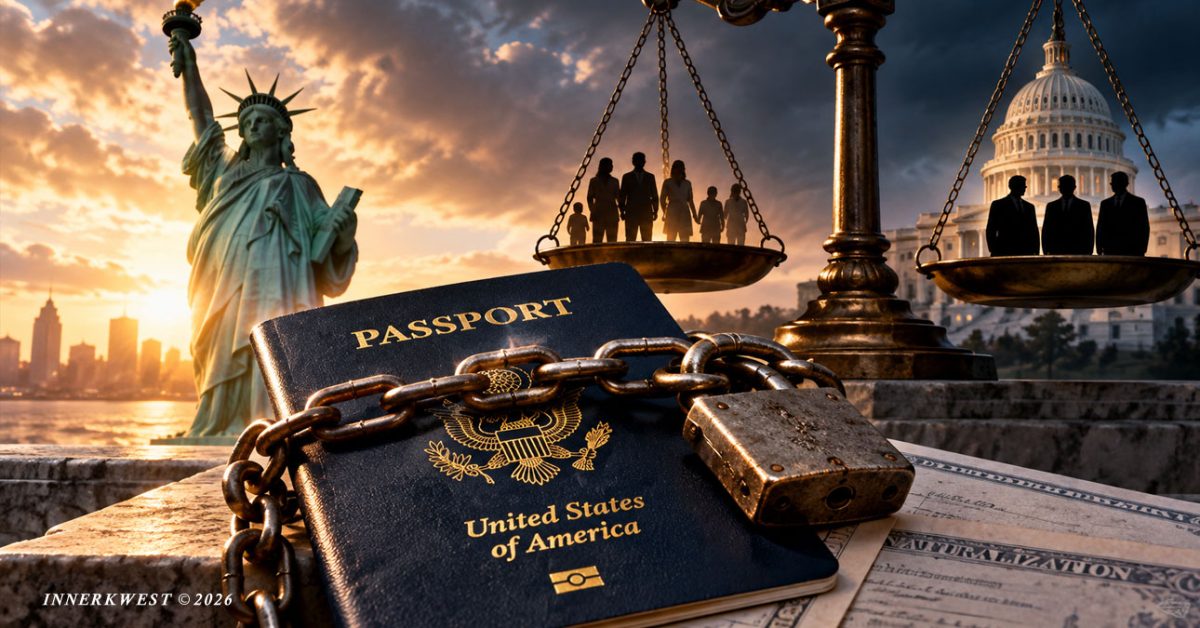
When Citizenship Becomes Conditional: Power, Denaturalization and Equal Scrutiny
The government has long possessed the power to revoke citizenship obtained through material fraud. But as denaturalization expands and decades-old immigration histories are reopened, another question emerges: whether naturalized citizenship is being subjected to a standard of permanence different from citizenship acquired at birth.
When Humanity Becomes Optional: AI, Humanity and the Human Spirit
As artificial intelligence learns to reproduce companionship, creativity, and intimacy, The Sojourner examines a deeper civilizational question: Can humanity preserve the capacities that make authentic human experience meaningful?
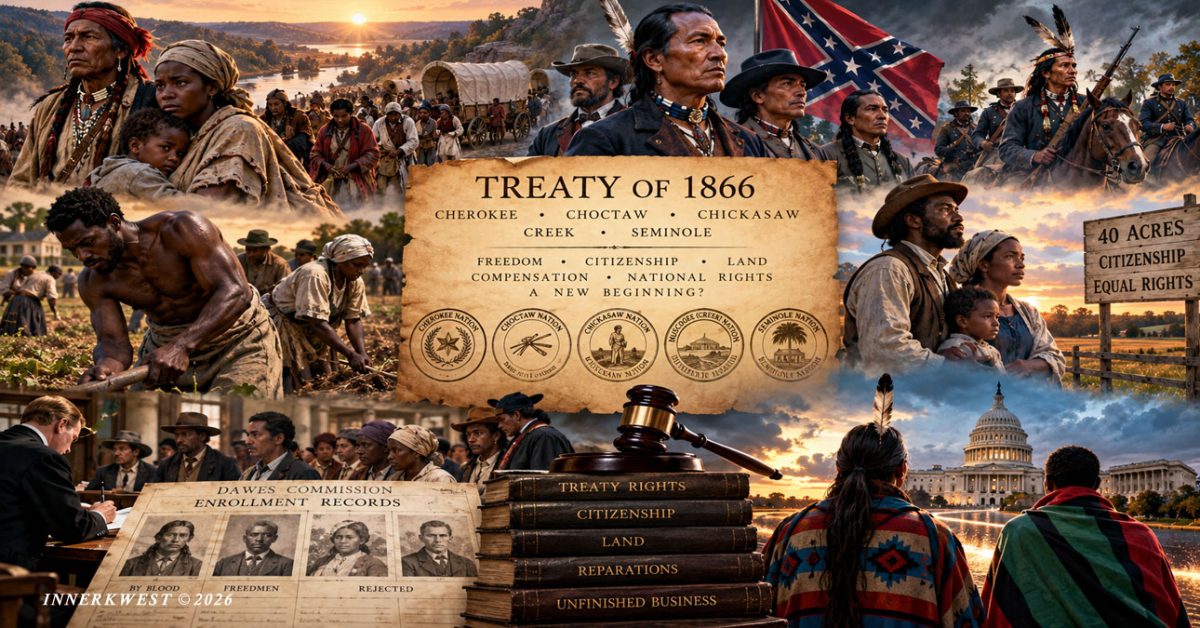
The Other Slaveholders: Native Nations, the Confederacy, and the Unfinished Promises of 1866
Five Native American nations entered treaties with the Confederacy during the Civil War, while some of their citizens held African Americans in slavery. The Reconstruction treaties of 1866 established freedom and varying citizenship, land, and financial protections for Freedmen. More than 160 years later, the consequences of those agreements continue to shape legal disputes and questions of historical accountability.
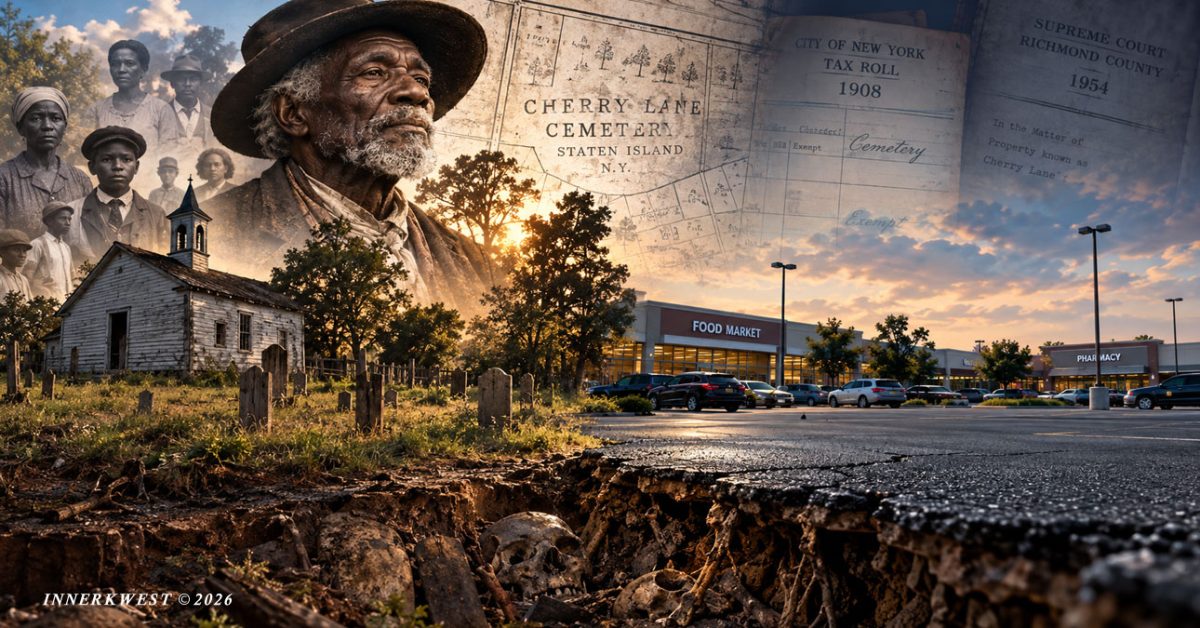
Beneath the Asphalt: How a Black Cemetery Disappeared From Staten Island Without the Dead Disappearing
Once a burial ground for Staten Island’s Black community, Cherry Lane Cemetery eventually disappeared beneath commercial development. InnerKwest follows the surviving records, unresolved legal history and people working to recover what the landscape nearly erased.