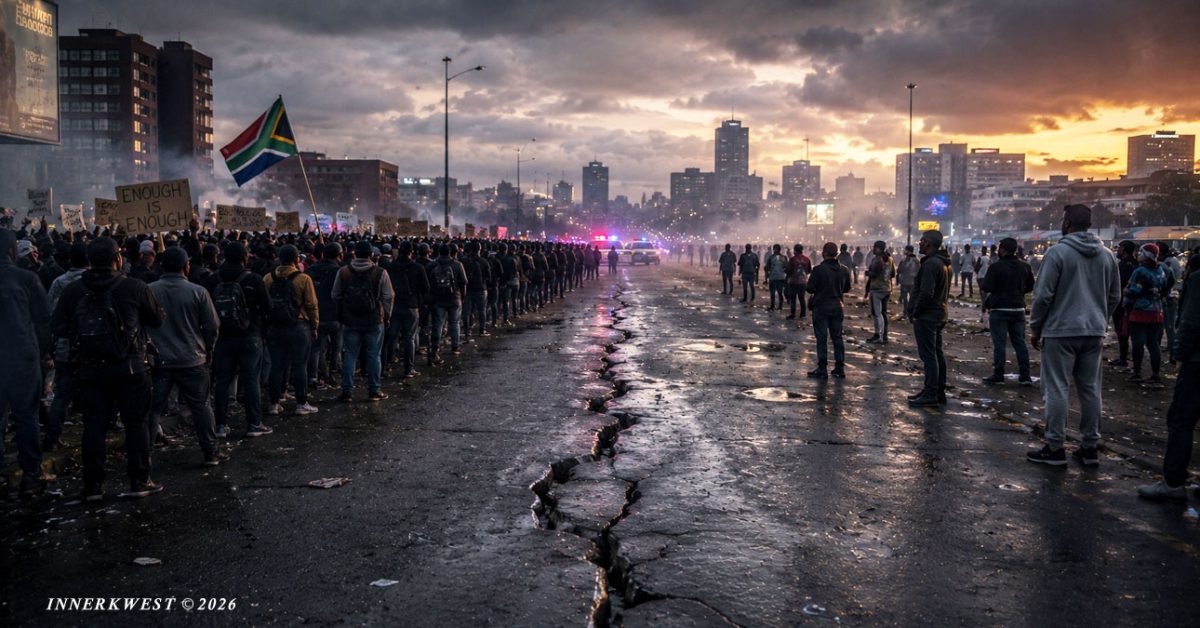
The recognition of slavery as a crime against humanity establishes a global record—but it does not guarantee structural change. This InnerKwest analysis examines how accountability systems absorb acknowledgment without necessarily producing outcomes.
On Record: When History Is Acknowledged—but Not Accepted (Part 4)
The recognition of slavery as a crime against humanity raises a deeper question: who bears the economic consequences. This InnerKwest analysis examines how wealth accumulation, liability, and global resistance shape the debate over reparations.
Applied Bias: When Technology Executes What Society Encoded
Modern technology systems are not neutral—they inherit and scale existing bias through data, algorithms, and institutional design. This InnerKwest analysis examines how bias is embedded across venture capital, digital platforms, and emerging decentralized systems.
The Iran Echo: When Political Warnings Become Policy Realities
A resurfaced political warning from 2011 is gaining traction again—but not for the reason many assume. Beyond the personalities involved lies a deeper pattern shaping U.S. foreign policy toward Iran, one that transcends administrations and challenges the illusion of political change.
Prediction Markets Are Becoming the First Decentralized Truth Engine
Prediction markets are rapidly evolving from niche crypto experiments into large-scale forecasting systems. Platforms like Polymarket and Kalshi allow users to trade probabilities on elections, economic indicators, and geopolitical events—raising a deeper question about whether markets themselves could become the world’s most powerful truth-discovery engines.
Programmable Finance: Wall Street, Blockchain Infrastructure, and the Battle Over Financial Autonomy
As institutional capital enters blockchain markets through tokenized assets and compliance infrastructure, a new debate is emerging over programmable finance, on-chain surveillance, and the future of financial autonomy.
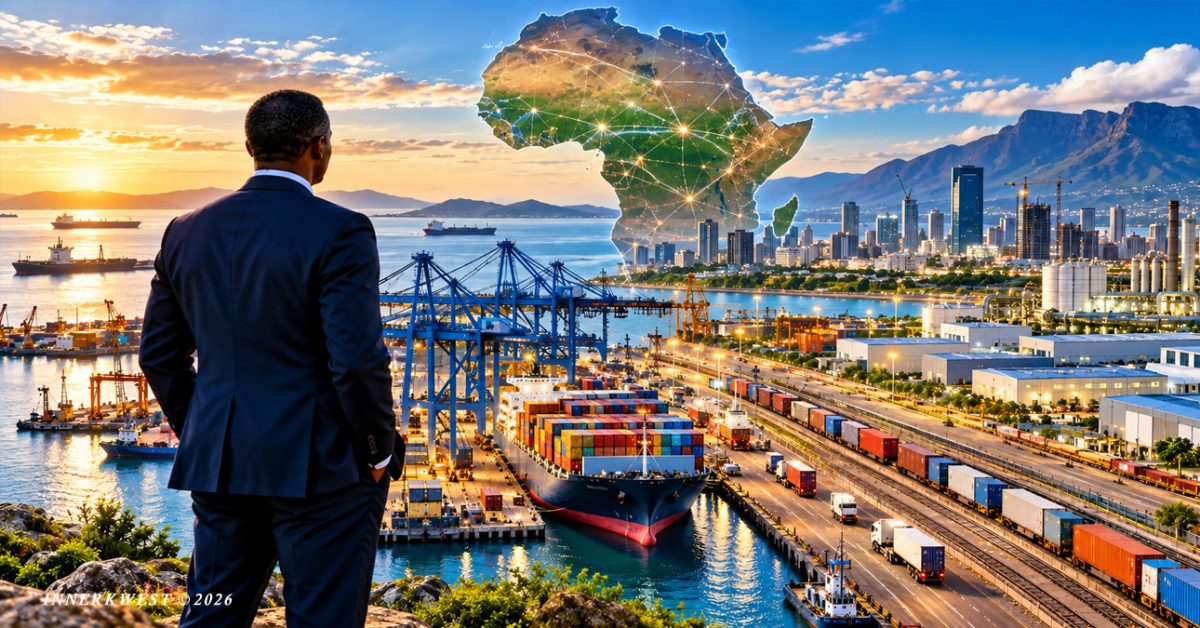
The War That Redirected the World Through Africa
The war in the Middle East may be triggering an unexpected shift in global logistics, with airlines and shipping companies increasingly turning toward Africa’s strategic geography.
The Strait, the Markets, and the Midterms: How Iran Raises the Cost of War
The war with Iran is no longer confined to the battlefield. Oil markets, Gulf airports, and U.S. politics are becoming part of the conflict’s expanding economic front.
Legal Sovereignty vs. Operational Control: The CFA Franc, AFRIPOL, and the Limits of African Autonomy
By InnerKwest Intelligence Desk | March 2026 SERIES | The Legitimacy Shift: Power, Representation, and the Future of Global GovernanceSpecial Analysis Independence on Paper, Constraint in Practice Across Africa, sovereignty is constitutionally affirmed, internationally recognized, and symbolically celebrated. Yet sovereignty operates on more than parchment. It functions through control over currency, security, capital flows, intelligence, and institutional leverage. The tension …
Mound Bayou: The Architecture of Self-Reliance in the Mississippi Delta
In 1887, inside one of the most restrictive political environments in American history, Mound Bayou built land ownership, banking, healthcare, governance, and civic cohesion into a functioning institutional ecosystem. This flagship case study examines how institutional layering created resilience—and how scale compression later tested it.