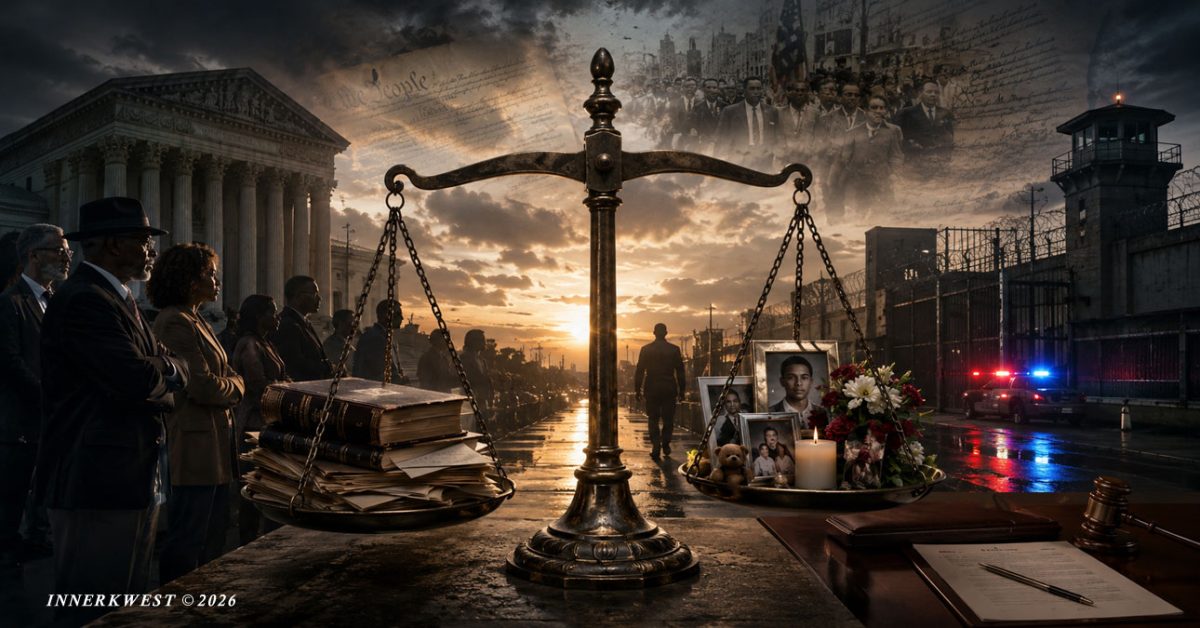
A controversial acquittal. A 35-year prison sentence. A $5,000 bond. A burning cross in Chicago. Legally, these incidents are unrelated. Yet together they have revived one of the most enduring questions in American life: What happens when equal justice stops feeling equal?
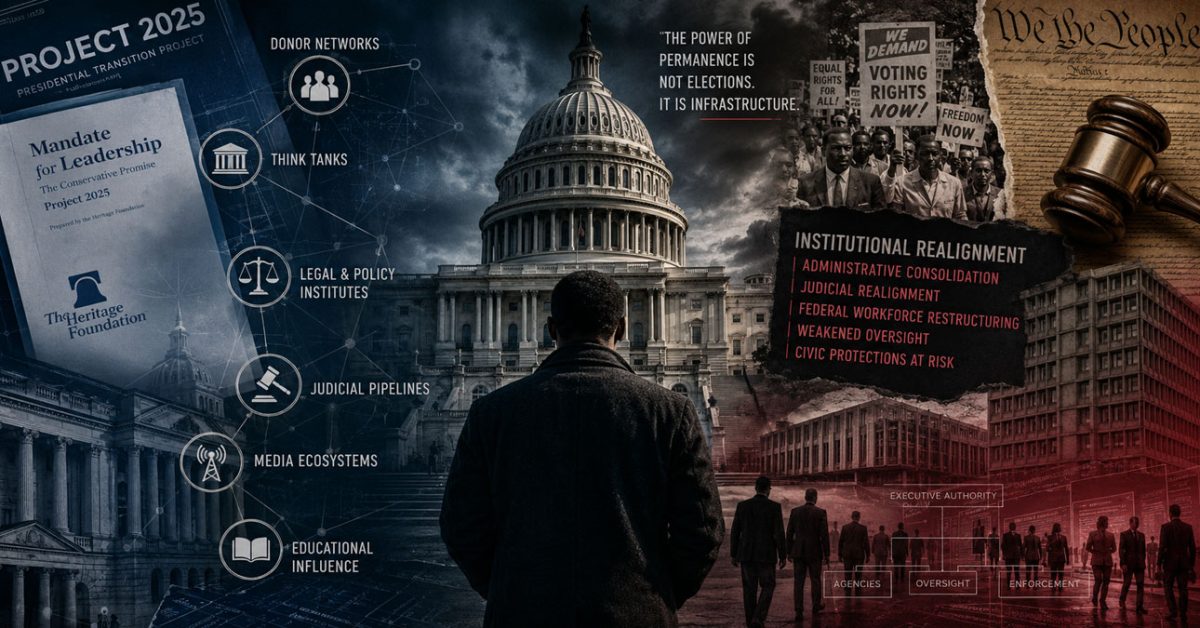
Project 2025 and the Institutional Re-calibration of American Power
Project 2025 is being publicly framed as administrative reform and constitutional restoration. Critics increasingly argue it represents something much larger: the operational phase of a decades-long institutional strategy designed to recalibrate federal authority, civic enforcement, and post-Civil Rights governance in the United States. This InnerKwest Intelligence Desk analysis examines the Heritage Foundation, Kevin Roberts, donor infrastructure, and the growing debate over whether America is witnessing ordinary political transition — or long-cycle institutional restructuring already reshaping the nation’s civic trajectory.
On Record: When History Is Acknowledged—but Not Accepted (Part 5)
The recognition of slavery as a crime against humanity establishes a global record—but it does not guarantee structural change. This InnerKwest analysis examines how accountability systems absorb acknowledgment without necessarily producing outcomes.
Centralization Is Not Neutral
Centralization is often framed as efficiency or protection. In practice, it is architectural. As Western systems converge and memory expands, privacy erodes not by decree, but by design—leaving discretion increasingly scarce.
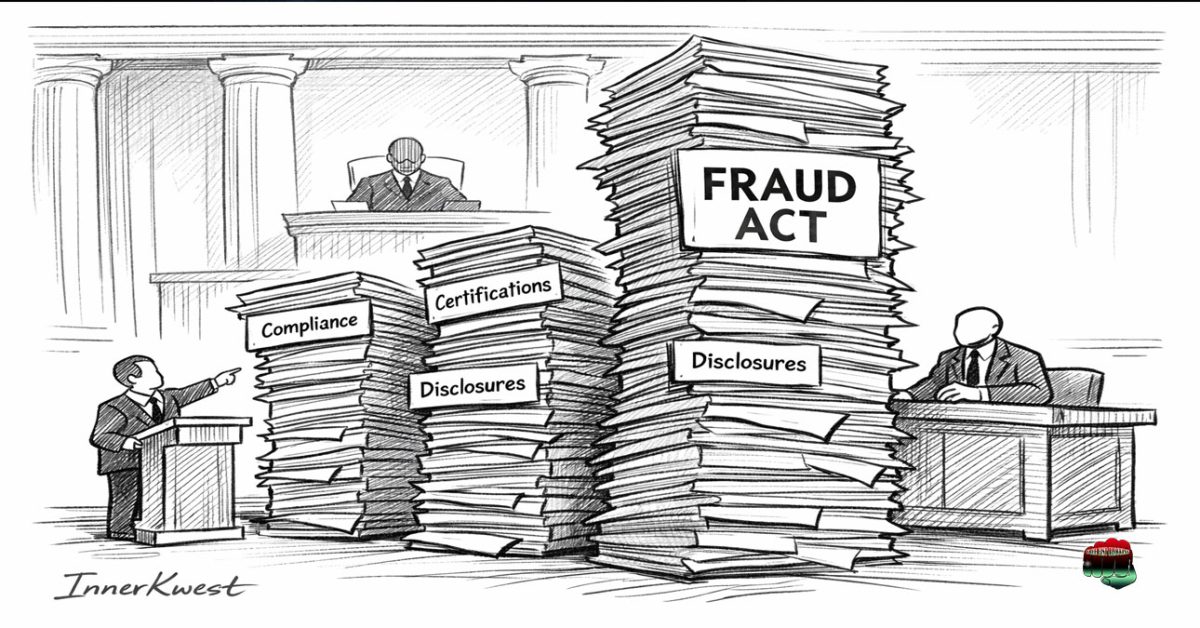
When Fraud Law Becomes Social Mandate
The Justice Department is reframing corporate DEI programs through fraud enforcement, transforming social policy into balance-sheet risk and redefining compliance itself.