Digital identity, tokenized finance, artificial intelligence, smart cities and public infrastructure are developing for different purposes under different institutions. No evidence establishes a single master plan connecting them. But as the technologies become interoperable, a different question emerges: what becomes possible if systems once built separately acquire the ability to operate together?

The Authority That Doesn’t Expire Cleanly: Section 702, Surveillance, and the Question of What Is Actually Collected
Section 702 allows warrantless surveillance of foreign targets—but U.S. communications can still be captured. This piece examines privacy concerns, access, and what happens when authority doesn’t fully expire.
Bad Law Outlives Bad Administrations
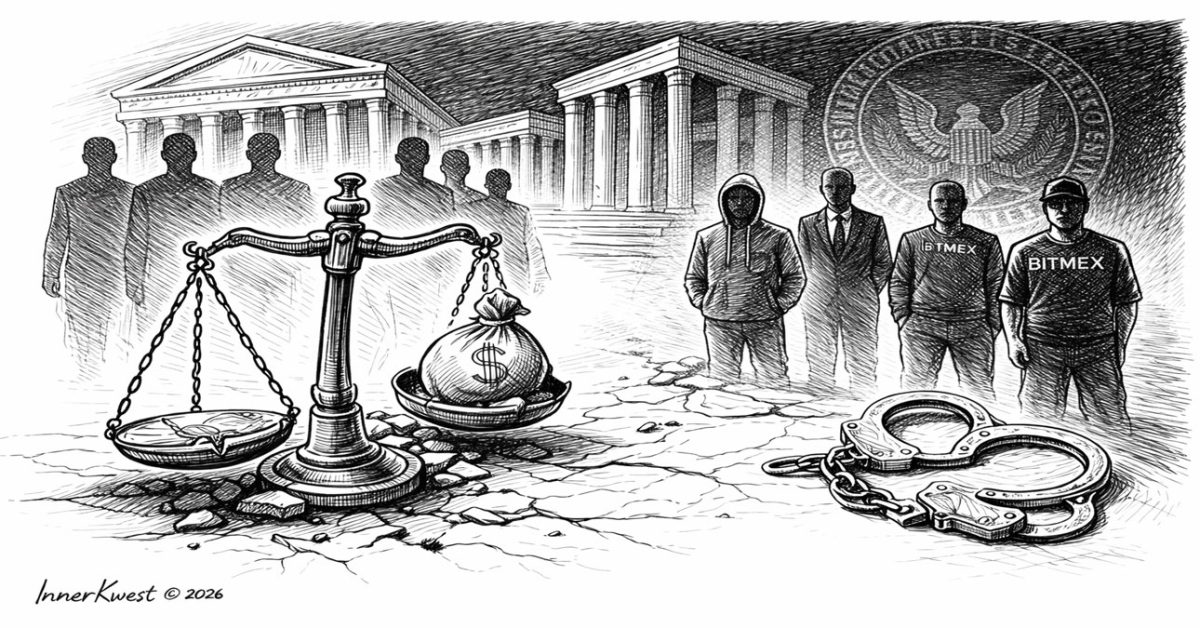
Crypto was built as an alternative to a system defined by selective accountability and institutional immunity. As debate over the CLARITY Act unfolds, delayed markups, industry fractures, and historical enforcement asymmetry reveal a deeper struggle—one where outdated law risks reshaping innovation for generations.
Centralization Is Not Neutral
Centralization is often framed as efficiency or protection. In practice, it is architectural. As Western systems converge and memory expands, privacy erodes not by decree, but by design—leaving discretion increasingly scarce.