
As artificial intelligence learns to reproduce companionship, creativity, and intimacy, The Sojourner examines a deeper civilizational question: Can humanity preserve the capacities that make authentic human experience meaningful?

Below you'll find a list of all posts that have been tagged as “InnerKwest”
As artificial intelligence learns to reproduce companionship, creativity, and intimacy, The Sojourner examines a deeper civilizational question: Can humanity preserve the capacities that make authentic human experience meaningful?
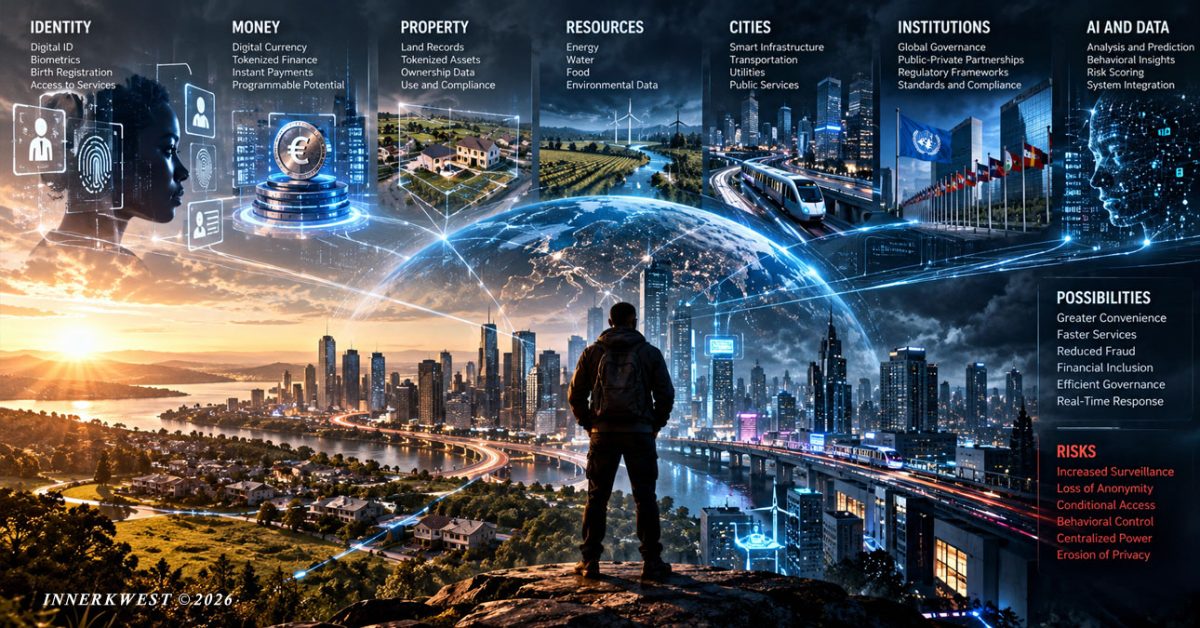
Digital identity, tokenized finance, artificial intelligence, smart cities and public infrastructure are developing for different purposes under different institutions. No evidence establishes a single master plan connecting them. But as the technologies become interoperable, a different question emerges: what becomes possible if systems once built separately acquire the ability to operate together?

Across Europe, governments are restoring military service, expanding reserves and rebuilding mobilization systems that faded after the Cold War. The individual laws differ, but together they reveal something larger: European governments are restoring defense options they once believed they could afford to abandon.

Four years after arguing that social media companies are not government agencies, InnerKwest revisits the question from a new perspective. As governments increasingly interact with global technology platforms over online speech, the issue is no longer simply moderation—it is transparency, accountability, and who ultimately governs visibility in the digital public square.

As Washington threatens countries doing business with Iran with exclusion from the dollar-based financial system, an uncomfortable question emerges: when does economic statecraft become the imposition of national will? From America’s Christian symbolism and the biblical legacy of Persia to secondary sanctions, dollar dominance and the growing incentive for financial alternatives, InnerKwest examines the moral, economic and geopolitical consequences of turning the world’s dominant currency into an instrument of coercion.
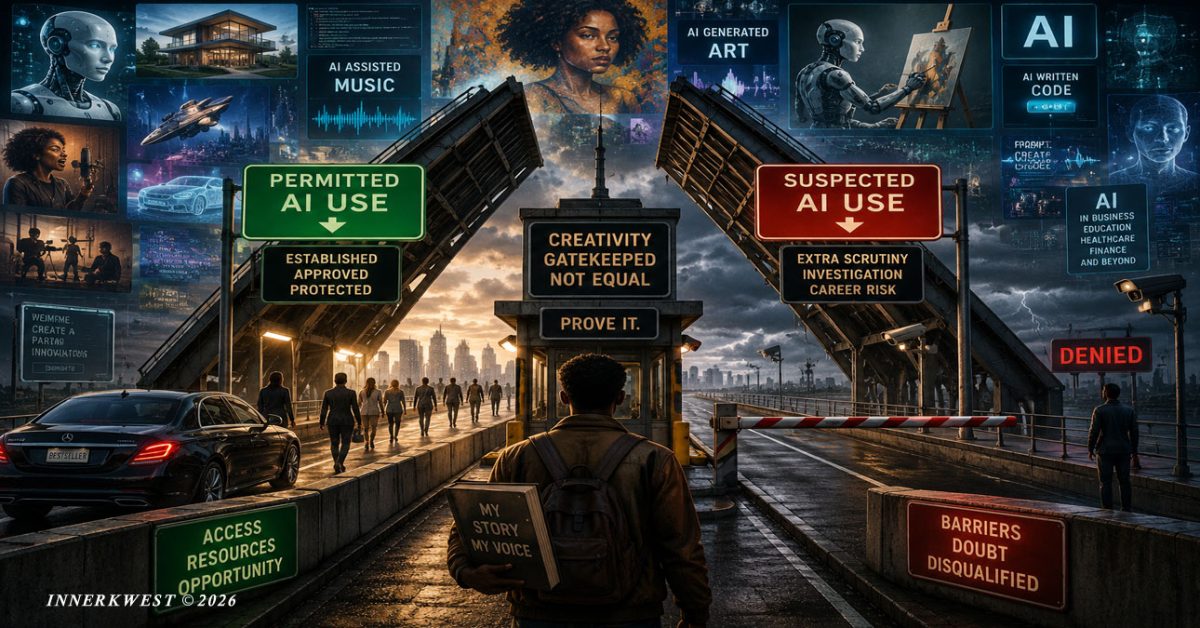
AI is transforming music, film, employment and creative production. Yet Black writers are facing extraordinary consequences over suspected AI use while other authors openly acknowledge using the technology. The Jerry Falade controversy raises a larger question about race, permission and modern literary gatekeeping.

For generations, Americans have believed that hard work and determination define success. But as wealth, institutional access, and artificial intelligence increasingly shape who gets the opportunity to develop their talents, the nation may be confronting a deeper question: Are we still measuring merit—or simply rewarding inherited opportunity?
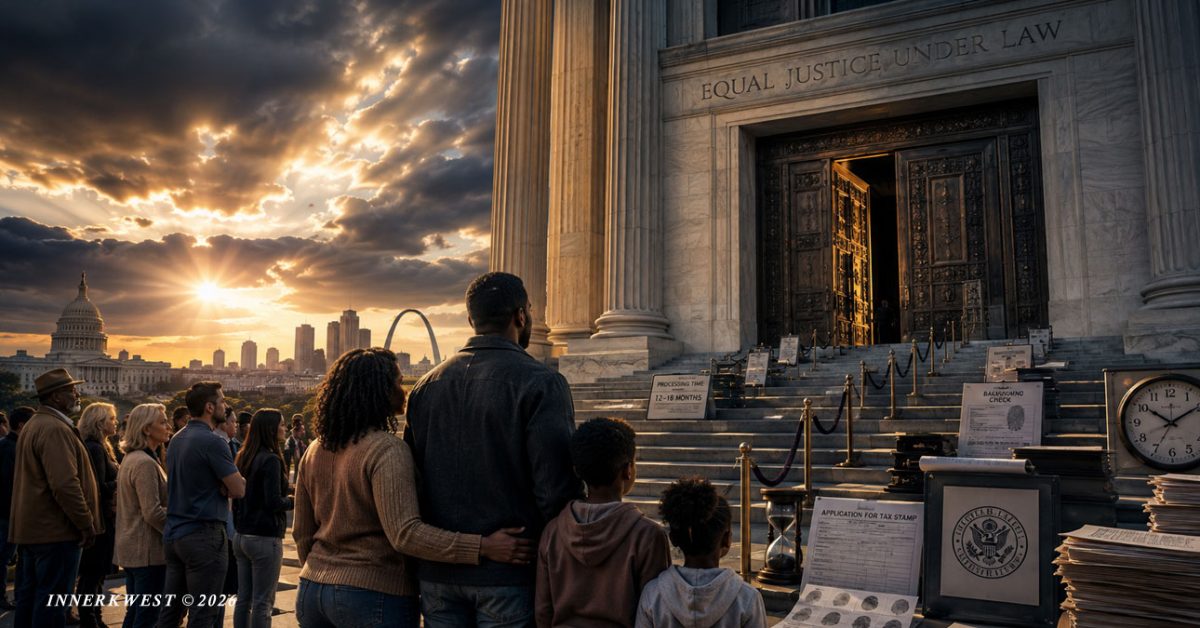
A Missouri lawsuit challenging the National Firearms Act has reignited a broader constitutional question: Can regulations that appear equal on paper produce unequal burdens in practice? As a Black-owned firearms retailer moves to the center of the debate, InnerKwest examines history, regulatory access, and whether public trust is earned through evidence rather than assumption.
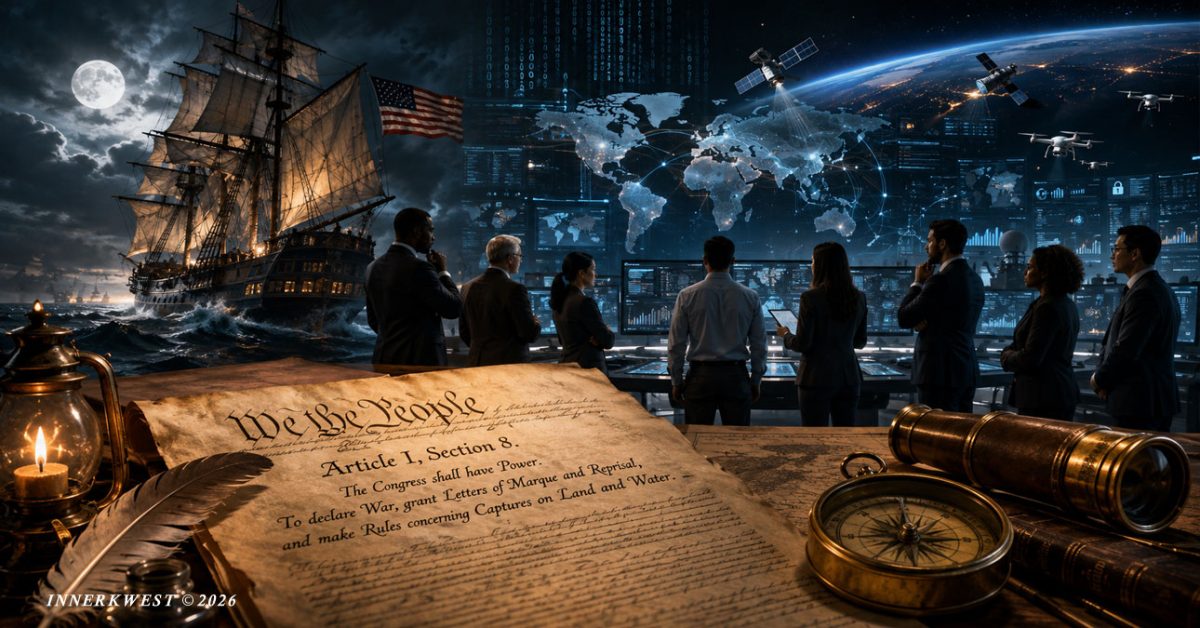
Hidden in plain sight within the U.S. Constitution is a war power few Americans have ever heard of. As technology reshapes conflict and governments increasingly rely on private capabilities, one forgotten constitutional authority is drawing renewed attention.
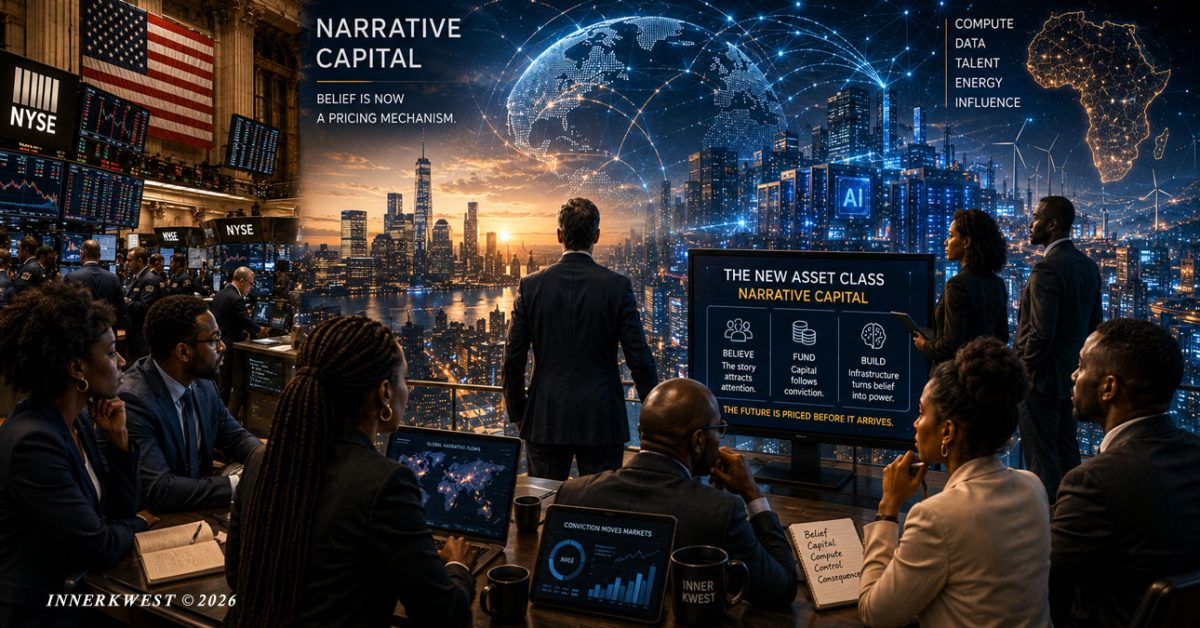
Artificial intelligence is changing more than technology—it may be transforming the very way capital is allocated. As investors increasingly fund compelling visions of the future rather than decades of proven performance, a new economic force is emerging: narrative capital.