
June 11, 2026
Why the Future of Iboga May Be About More Than Medicine
By Solomon Reed | InnerKwest Global Desk
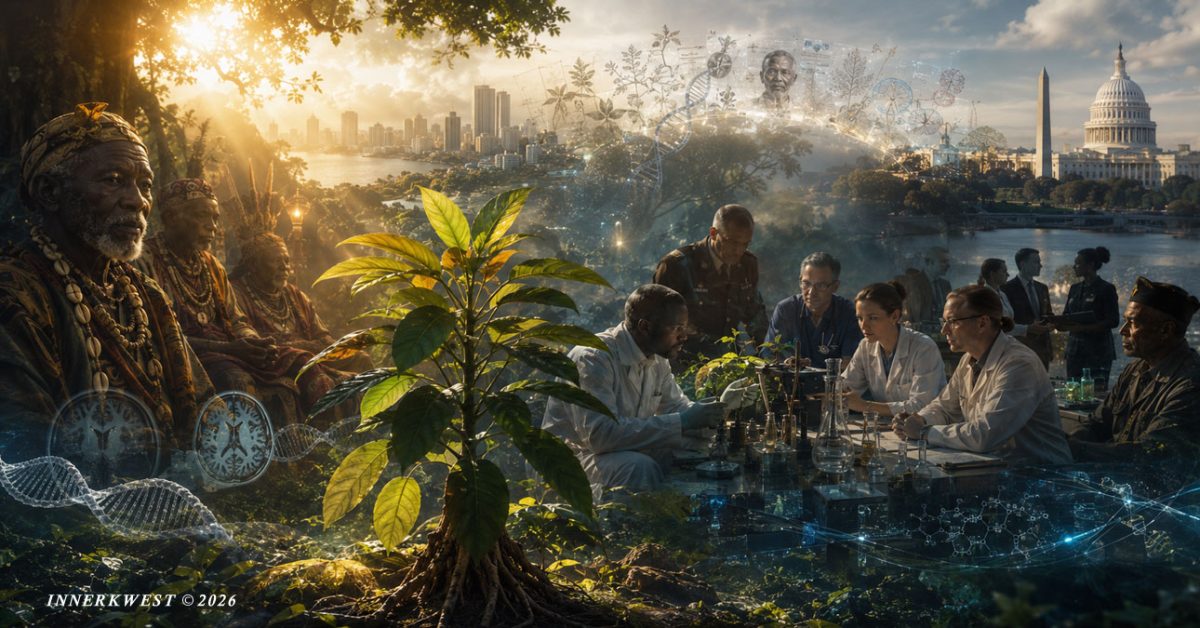
Deep within the rainforests of Gabon grows a plant that, until recently, existed largely outside the awareness of modern Western medicine.
For generations, Tabernanthe iboga occupied a place within the spiritual and cultural traditions of the Bwiti people and other communities across Central Africa. Long before pharmaceutical companies, clinical trials, federal agencies, or venture capital discovered its potential, knowledge surrounding the plant was preserved through practice, observation, and tradition.
Today, that same plant finds itself at the center of one of the most intriguing developments in modern medicine.
An executive order signed by President Donald Trump directed federal agencies to accelerate research into psychedelic therapies, including ibogaine, a compound derived from the iboga plant. Researchers, veterans’ advocates, physicians, and policymakers have increasingly focused on whether the compound may hold promise in addressing addiction, traumatic brain injuries, post-traumatic stress disorder, and other difficult-to-treat conditions.
The science remains ongoing.
The significance of the moment, however, extends far beyond medicine.
It raises questions about recognition.
Knowledge Before Validation
One of the recurring patterns in human history is that knowledge often becomes visible only after powerful institutions acknowledge it.
What begins as folklore becomes medicine.
What begins as tradition becomes innovation.
What begins at the margins eventually arrives at the center.
The story of iboga appears to follow a similar path.
For decades, the plant remained largely outside the boundaries of mainstream Western medicine. Yet the communities that preserved knowledge surrounding it did not suddenly discover its existence when researchers became interested. The knowledge was already there.
The difference is that the world began paying attention.
That distinction matters.
Recognition is important. It can lead to research, investment, scientific inquiry, and potentially life-changing therapies. But recognition also raises a more complicated question.
What happens after recognition?
The Irony of Recognition
The story carries an irony that is difficult to ignore.
Less than a decade ago, international controversy surrounded remarks attributed to Donald Trump regarding African nations. Today, an executive order bearing his signature directs federal agencies to accelerate research into a compound derived from a plant whose cultural and historical roots trace directly to Central Africa.
Whether viewed as irony, evolution, pragmatism, or simple policy necessity, the juxtaposition is remarkable.
History occasionally produces such moments.
Ideas, resources, and knowledge once overlooked often become valuable once their utility is recognized by institutions capable of amplifying them. The question is whether recognition arrives because value was created—or because value was finally noticed.
Beyond Recognition
Recognition, however, is only the beginning of the conversation.
As advances in biotechnology, neuroscience, and pharmaceutical research continue to accelerate, traditional medicinal practices and indigenous knowledge systems are attracting growing attention from researchers, governments, and private industry. What was once viewed primarily as cultural tradition is increasingly being examined through the lens of scientific and commercial potential.
That reality does not diminish the value of research, nor should it discourage efforts to pursue treatments that may benefit millions of people. It does, however, raise questions that many countries are increasingly unwilling to ignore.
Who benefits when traditional knowledge becomes commercialized?
Who participates in the value created by scientific breakthroughs?
And what obligations exist toward the countries and communities that preserved such knowledge long before it attracted international attention?
For centuries, Africa’s relationship with the global economy has often been defined through the extraction of physical resources. Gold, diamonds, oil, copper, cobalt, and rare earth minerals all became globally valuable because markets recognized their importance.
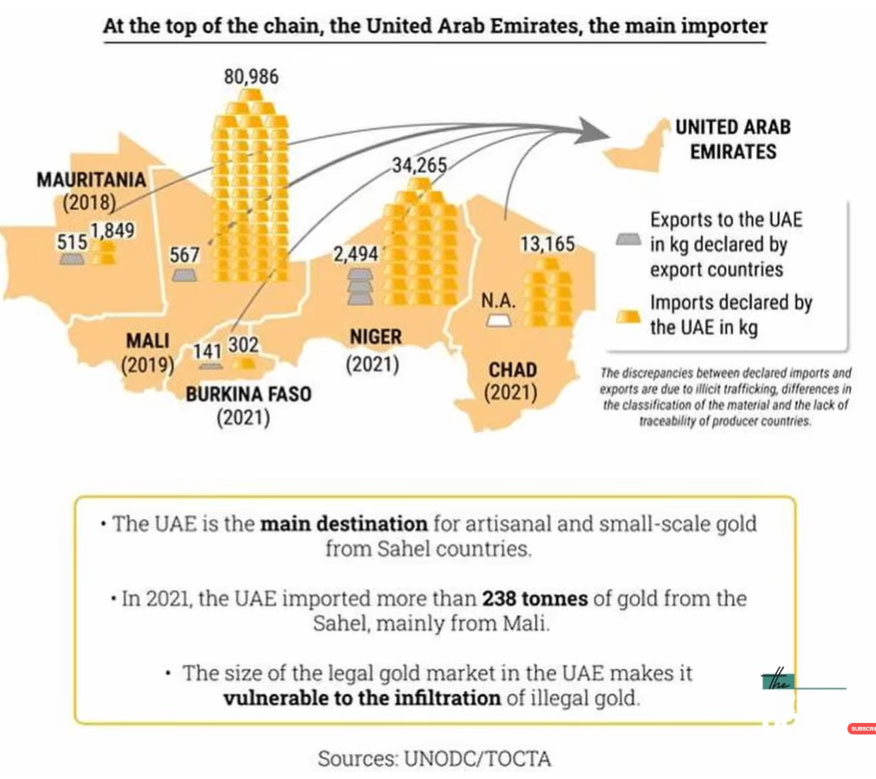
The twenty-first century may introduce another category of strategic asset altogether.
Knowledge.
Not merely scientific knowledge generated in laboratories, but biological knowledge preserved within communities, traditions, and cultural practices across generations.
The Sovereignty Question
These questions are not merely philosophical.
They increasingly sit at the center of international debates surrounding biodiversity, intellectual property, and economic sovereignty.
The issue became significant enough that nations negotiated what is known as the Nagoya Protocol, an international framework designed to address the relationship between biological resources and benefit sharing.
At its core, the protocol attempts to answer a straightforward question: if commercial value is created from biological resources or traditional knowledge originating in a particular country, should that country participate in the benefits?
Many nations answered yes.
The framework encourages concepts such as prior informed consent and mutually agreed terms, promoting negotiated access and benefit-sharing arrangements rather than treating biological resources as assets available for unrestricted extraction.
The principle is not unlike the way nations approach other strategic resources. Countries negotiate royalties for minerals. They negotiate concessions for oil. They establish regulations governing land use and resource development.
Increasingly, some governments are asking whether biological resources and traditional knowledge deserve similar consideration.
From Origin to Participation
The debate surrounding iboga may ultimately have less to do with ownership than with participation.
No serious observer questions the role of scientific research, private investment, or the regulatory frameworks required to transform a promising compound into a widely available therapy. Medical breakthroughs rarely emerge from a single source. They are often the product of researchers, institutions, investors, governments, and years of sustained effort.
The question being asked in some circles is whether the countries and communities connected to the origins of that knowledge should remain merely the opening chapter of the story—or whether they should share in the value created as that story unfolds.
That distinction is becoming increasingly important across Africa.
For generations, debates surrounding development often focused on access to resources. Today, the conversation is increasingly focused on value creation. Whether the subject is minerals, manufacturing, agricultural products, data, or biological resources, a growing number of policymakers and thinkers are asking a similar question: where in the value chain should participation begin and where should it end?
The issue is not simply compensation. Compensation can be negotiated, paid, and concluded. Participation implies something broader—a continuing role in the economic activity that follows, whether through research partnerships, local investment, licensing arrangements, technology transfers, or other forms of long-term engagement.
Viewed through that lens, the story of iboga becomes about far more than medicine. It becomes a story about how societies recognize value, how institutions transform knowledge into wealth, and whether the communities that preserved that knowledge are remembered only as a point of origin or recognized as stakeholders in its future.
The forests of Gabon did not seek access to global markets.
Global markets came seeking what was already there.

The Larger Question
The future of ibogaine will ultimately be determined by science.
Clinical trials will matter.
Research will matter.
Evidence will matter.
Yet the broader significance of the story may lie elsewhere.
A plant preserved through African cultural traditions is now being examined as a possible contributor to solving some of the most challenging mental-health and addiction crises confronting modern societies.
That reality should inspire both curiosity and reflection.
The question is no longer whether the world recognizes the value of what existed in the forests of Gabon.
The question is whether recognition will be accompanied by participation.
As biological knowledge becomes increasingly valuable in the decades ahead, the answer may help determine how nations think about sovereignty, ownership, and wealth creation in an age where some of the world’s most strategic assets can no longer be measured only in barrels, tons, or ounces.
Some of them may be measured in knowledge.
At InnerKwest.com, we are committed to delivering impactful journalism, deep insights, and fearless social commentary. Your cryptocurrency contributions help us execute with excellence, ensuring we remain independent and continue to amplify voices that matter.
To help sustain our work and editorial independence, we would appreciate your support of any amount of the tokens listed below. Support independent journalism:
BTC: 3NM7AAdxxaJ7jUhZ2nyfgcheWkrquvCzRm
SOL: HxeMhsyDvdv9dqEoBPpFtR46iVfbjrAicBDDjtEvJp7n
ETH: 0x3ab8bdce82439a73ca808a160ef94623275b5c0a
XRP: rLHzPsX6oXkzU2qL12kHCH8G8cnZv1rBJh TAG – 1068637374
SUI – 0xb21b61330caaa90dedc68b866c48abbf5c61b84644c45beea6a424b54f162d0c
and through our Support Page.
InnerKwest maintains a revelatory and redemptive discipline, relentless in advancing parity across every category of the human experience.
© 2026 InnerKwest®. All Rights Reserved | Haki zote zimehifadhiwa | 版权所有. InnerKwest® is a registered trademark of Inputit™ Platforms Inc. Global. No part of this publication may be reproduced, distributed, or transmitted in any form or by any means without prior written permission. Unauthorized use is strictly prohibited. Thank you for standing with us in pursuit of truth and progress!