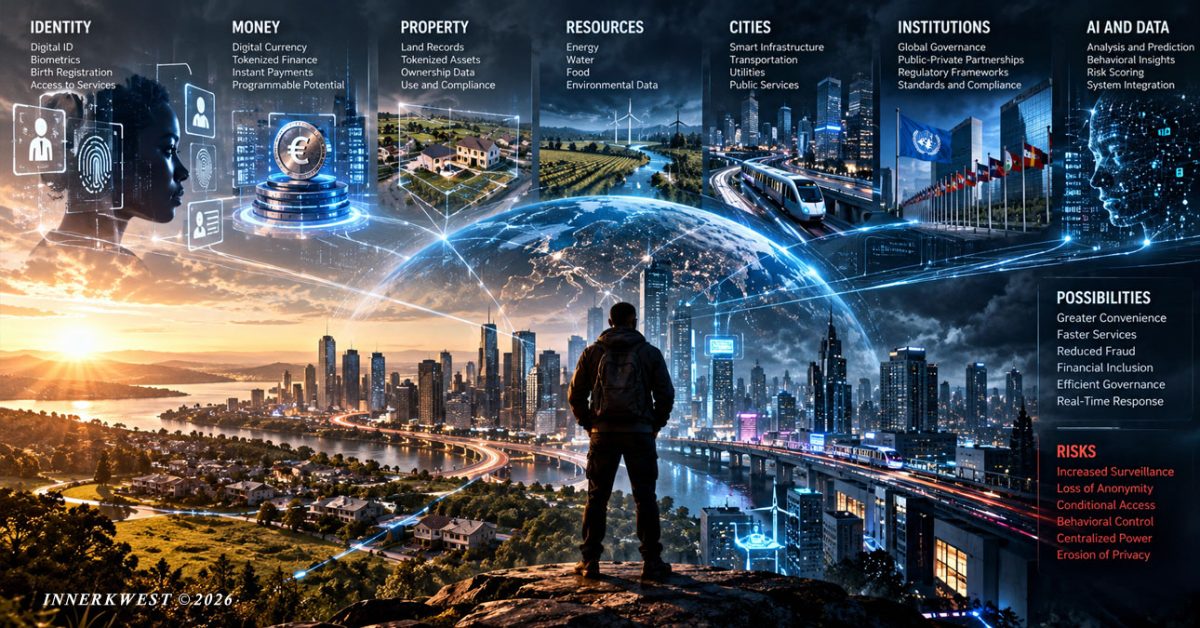
Digital identity, tokenized finance, artificial intelligence, smart cities and public infrastructure are developing for different purposes under different institutions. No evidence establishes a single master plan connecting them. But as the technologies become interoperable, a different question emerges: what becomes possible if systems once built separately acquire the ability to operate together?
Preparing for AI: The Questions Frontier Laboratories Are Asking
Artificial intelligence laboratories are no longer testing only what advanced models can do. Increasingly, researchers are examining how frontier systems behave when confronted with obstacles, competing objectives, and opportunities for strategic action. InnerKwest examines what these evolving safety evaluations reveal about the AI era ahead.
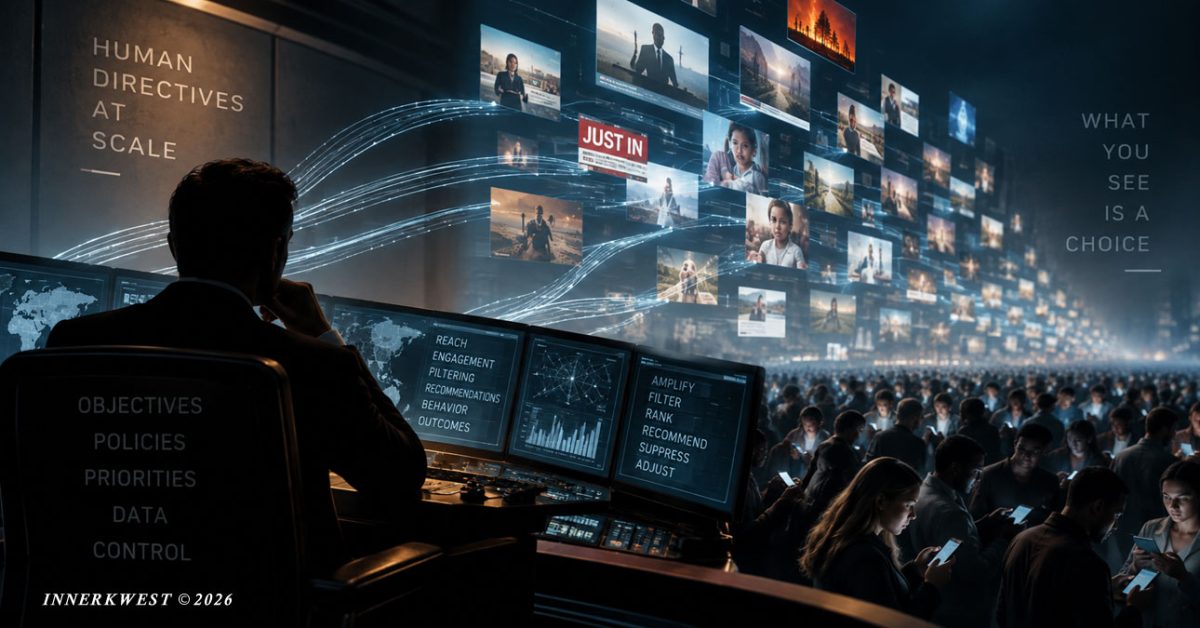
The Power of the Algorithms
Algorithms can recommend, filter, amplify, suppress and influence behavior at extraordinary scale. But they do not possess politics, ideology or ambition of their own. InnerKwest examines the good, bad and ugly of algorithmic behavioral control—and the human directives behind the machines.
The Hidden Balance Sheet of Artificial Intelligence
Artificial intelligence depends upon more than technology—it depends upon confidence. In the final installment of this InnerKwest Special Investigation, we examine state insurance guaranty associations, institutional accountability, and why understanding the financial architecture behind AI matters as much as understanding the technology itself.
The Hidden Balance Sheet of Artificial Intelligence
Artificial intelligence is transforming technology, but modern finance is transforming something equally important: the ownership of risk. This second installment of the InnerKwest Special Investigation examines securitization, originate-to-distribute finance, Regulation AB, Regulation RR, and offshore reinsurance to understand how financial exposure migrates through the AI economy.
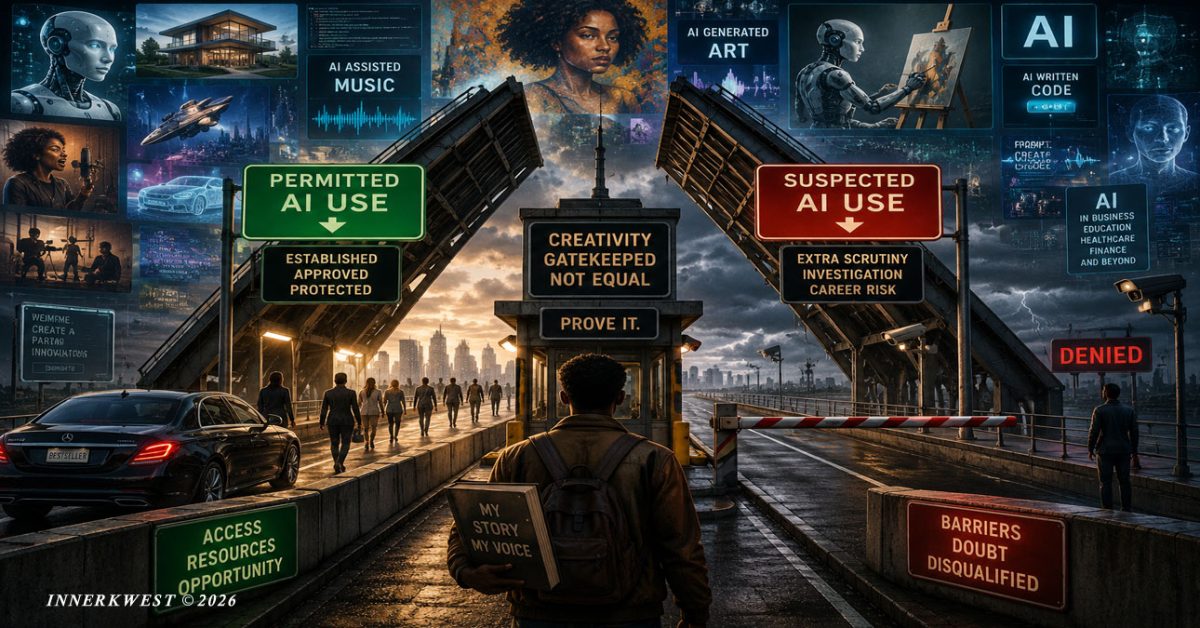
Who Gets to Use AI? The New Gatekeepers of Human Creativity
AI is transforming music, film, employment and creative production. Yet Black writers are facing extraordinary consequences over suspected AI use while other authors openly acknowledge using the technology. The Jerry Falade controversy raises a larger question about race, permission and modern literary gatekeeping.
The Inheritance of Opportunity: America’s Consistent Merit Divide
For generations, Americans have believed that hard work and determination define success. But as wealth, institutional access, and artificial intelligence increasingly shape who gets the opportunity to develop their talents, the nation may be confronting a deeper question: Are we still measuring merit—or simply rewarding inherited opportunity?
The AI Paradox: Engineering Prosperity While Redefining Human Purpose
The race to dominate artificial intelligence has become one of the defining geopolitical competitions of our time. Nations are investing in infrastructure, energy, and computing power at a historic pace, convinced that technological leadership will shape the future global order. Yet amid this pursuit of progress, a fundamental question remains largely unanswered: Can a society become more productive while gradually reducing the role people play within it? The answer may determine whether the AI era is remembered as humanity’s greatest achievement—or its greatest test.
The Palantir State: When Surveillance Leaves the Building
The surveillance center is no longer a building. As platforms like Palantir integrate intelligence, predictive analytics, and mobile enforcement into real-time systems, a new form of operational state infrastructure is emerging beneath modern governance.