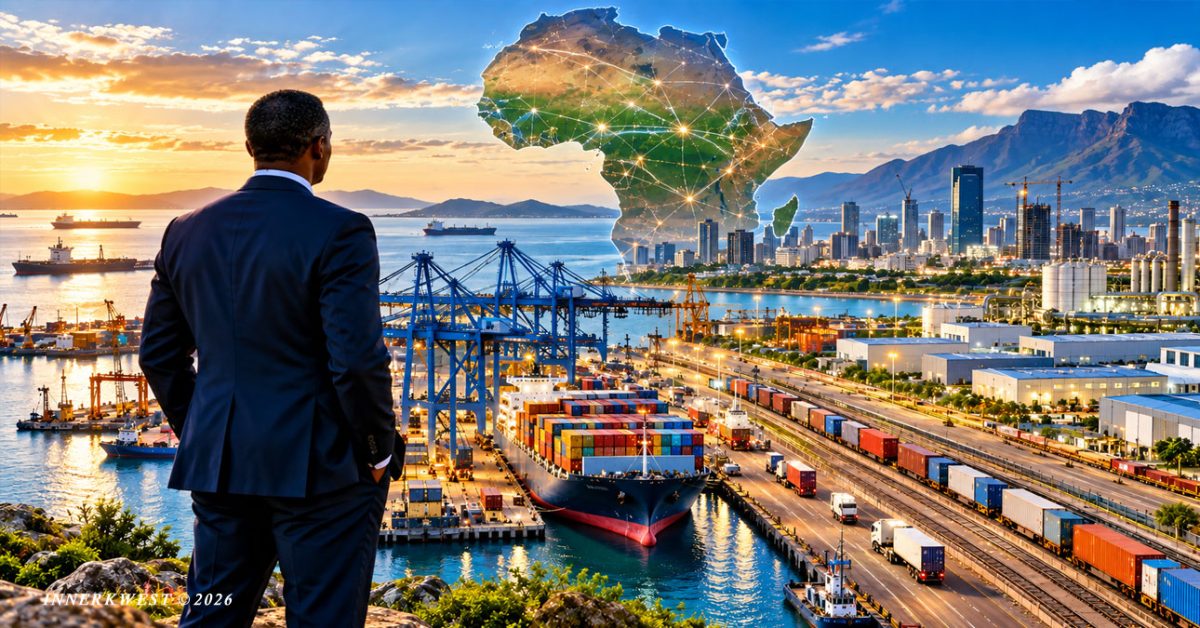
Political independence did not dismantle every economic structure Africa inherited. Now, from payment systems and African capital to trade, credit ratings, energy and security, new institutions are beginning to change what economic sovereignty can mean—and who determines its terms.
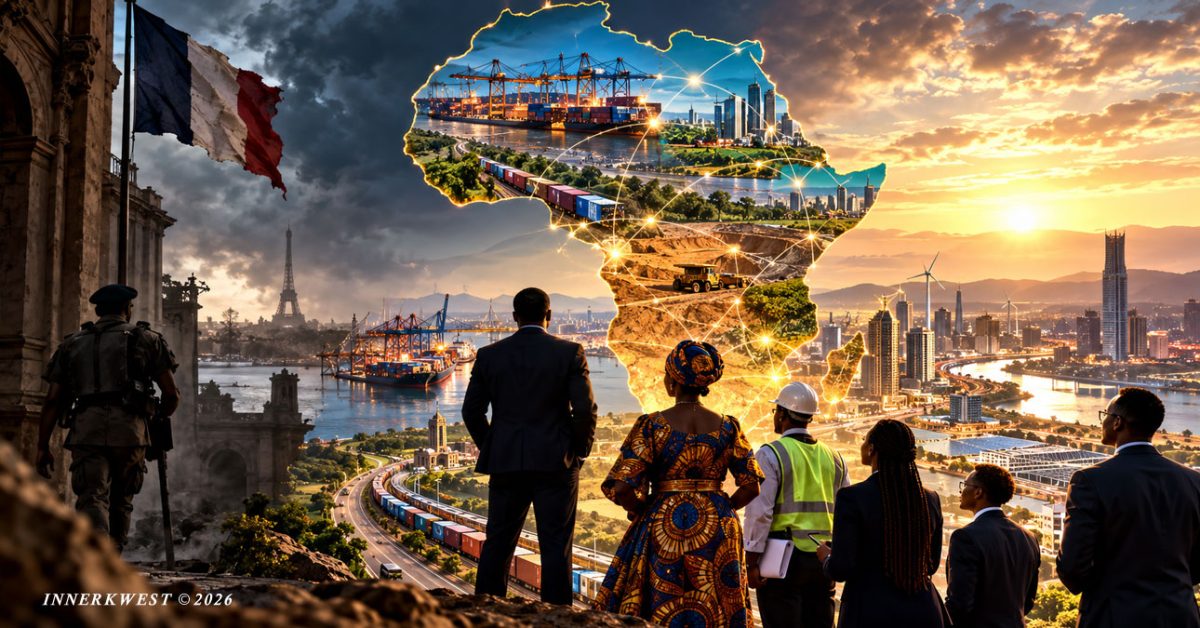
The New Competition for Africa
Global powers are pursuing deeper partnerships across Africa, but the defining question is no longer simply who is arriving. With fifty-four sovereign governments weighing competing offers involving ports, minerals, manufacturing, technology, finance and security, Africa’s opportunity may lie in determining what each partnership leaves behind.
Partnership Without Paternalism: Why a New Generation of Nations Is Seeking Respect Before Permission
A growing number of nations are not rejecting global partnerships. They are redefining them. From Africa to Indonesia, the emerging demand is simple: respect, reciprocity, and a seat at the table as equals.
The Shadow of Influence: Neo-Colonialism in Africa
Guest Commentary for InnerKwest – Accra, Ghana Neo-Colonialism in Africa: The Modern Struggle for Economic Independence The end of formal colonialism in Africa was supposed to mark the beginning of self-determination and economic independence. Yet, decades later, many African nations find themselves entangled in a complex web of financial dependency, political influence, and resource exploitation orchestrated by former colonial powers …