
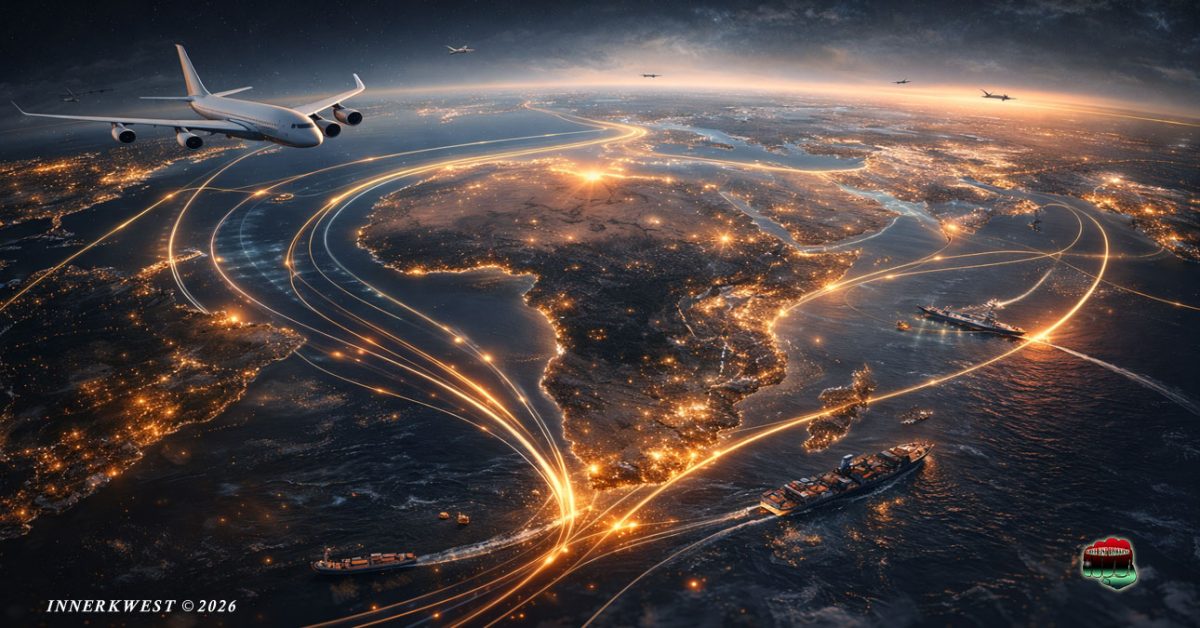
The war in the Middle East may be triggering an unexpected shift in global logistics, with airlines and shipping companies increasingly turning toward Africa’s strategic geography.
Below you'll find a list of all posts that have been tagged as “InnerKwest Analysis”
The war in the Middle East may be triggering an unexpected shift in global logistics, with airlines and shipping companies increasingly turning toward Africa’s strategic geography.

The war with Iran is no longer confined to the battlefield. Oil markets, Gulf airports, and U.S. politics are becoming part of the conflict’s expanding economic front.
By InnerKwest Intelligence Desk | March 2026 SERIES | The Legitimacy Shift: Power, Representation, and the Future of Global GovernanceSpecial Analysis Independence on Paper, Constraint in Practice Across Africa, sovereignty is constitutionally affirmed, internationally recognized, and symbolically celebrated. Yet sovereignty operates on more than parchment. It functions through control over currency, security, capital flows, intelligence, and institutional leverage. The tension …
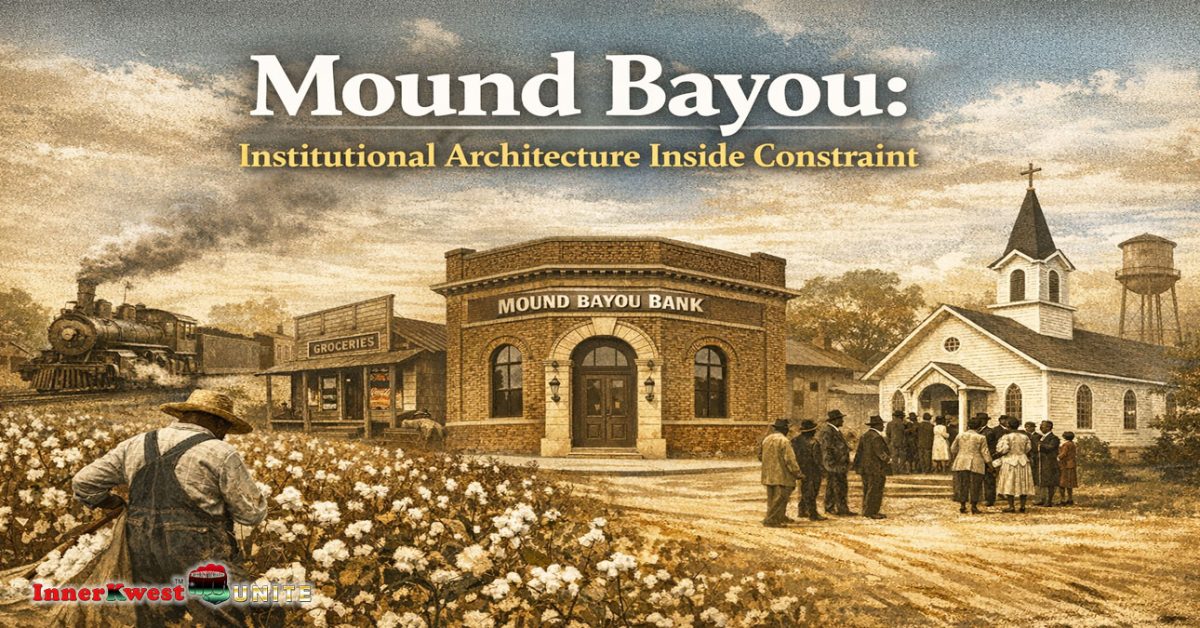
In 1887, inside one of the most restrictive political environments in American history, Mound Bayou built land ownership, banking, healthcare, governance, and civic cohesion into a functioning institutional ecosystem. This flagship case study examines how institutional layering created resilience—and how scale compression later tested it.
As AGOA faces short-term renewals and rising geopolitical pressure, Africa’s largest economies are quietly redesigning trade strategy around diversification and sovereign optionality — signaling a structural shift in global trade power.
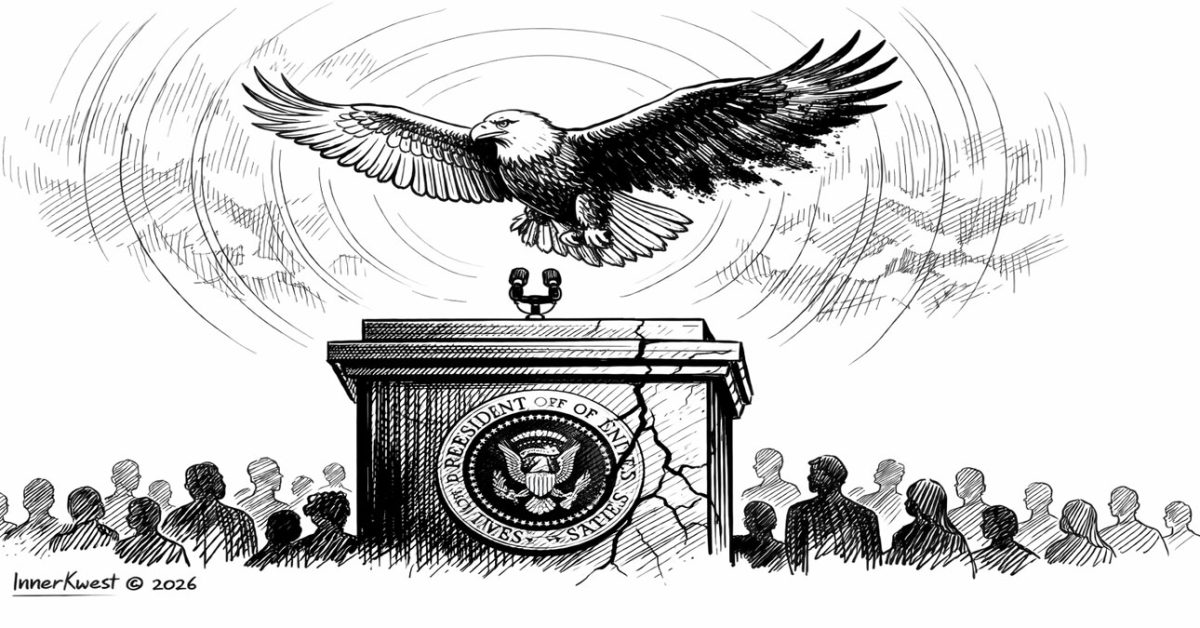
Institutions do not collapse from policy mistakes alone. They decay when moral boundaries disappear at the top. Executive power amplifies everything — including harm.
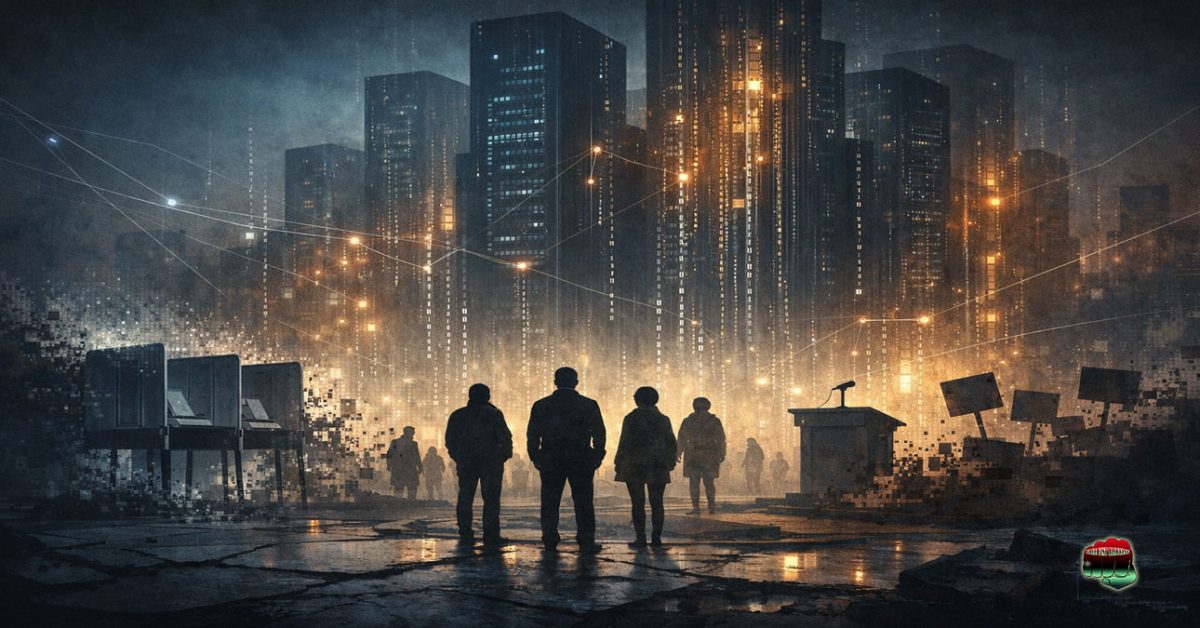
Democracy is not collapsing overnight—it is being quietly reshaped by algorithmic systems, data extraction, and monolithic infrastructures operating beyond democratic accountability. In the age of code, participation itself has become fuel, feeding hyperscale systems that monetize civic life while reminding us that neutrality, at scale, is never neutral.
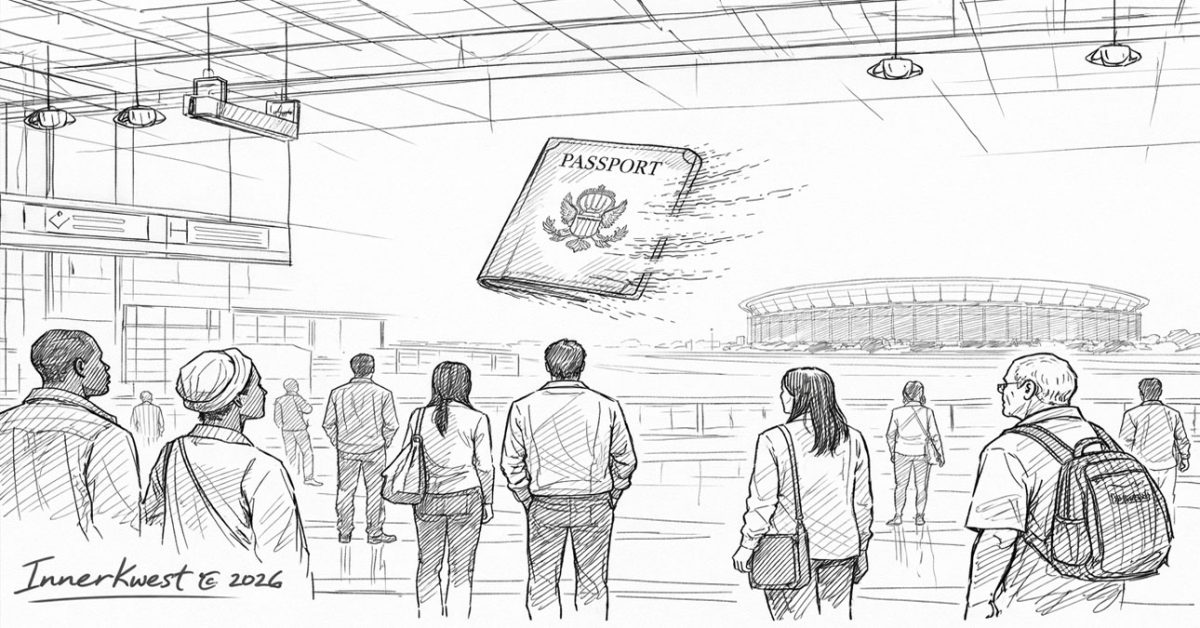
As the United States prepares to host the world, global audiences are quietly reassessing its posture. From sport to diplomacy, emotional trust—long assumed, rarely tested—is no longer guaranteed.
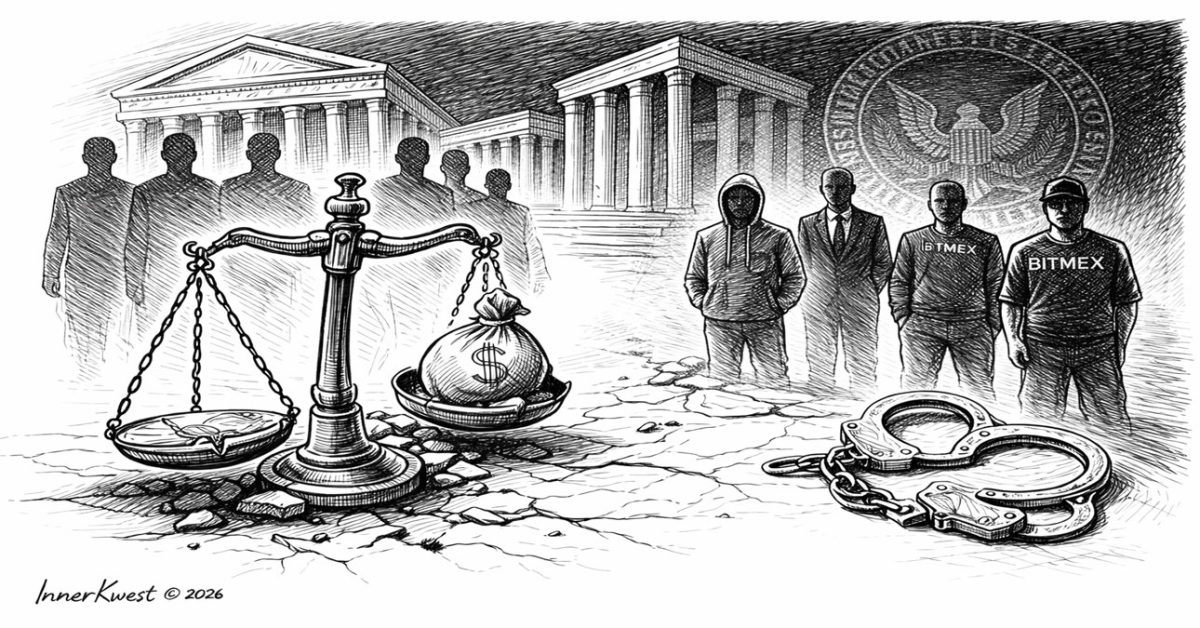
Crypto was built as an alternative to a system defined by selective accountability and institutional immunity. As debate over the CLARITY Act unfolds, delayed markups, industry fractures, and historical enforcement asymmetry reveal a deeper struggle—one where outdated law risks reshaping innovation for generations.
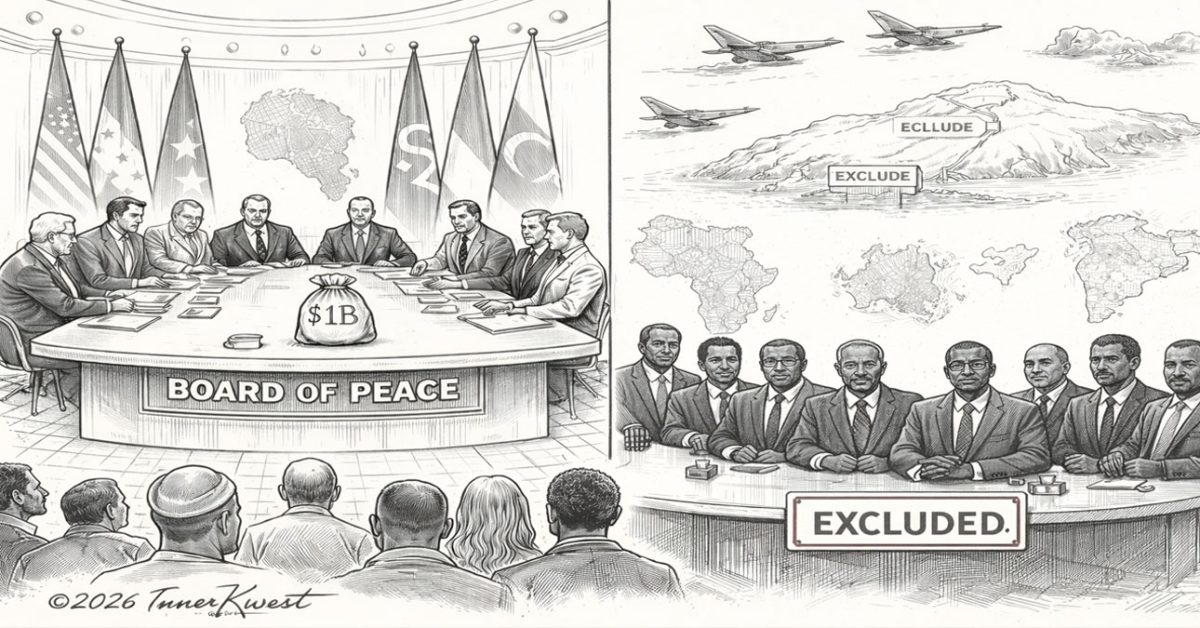
The proposed Board of Peace presents itself as a mechanism for post-conflict stability, yet its design links authority to capital and limits participation. As tensions rise among traditional allies over Greenland and alliance cohesion weakens, the initiative raises broader questions about legitimacy, trust, and the future of global governance.