Africa is making its boldest collective demand in a century: the formal recognition of colonialism as an international crime, complete with calls for reparations, the return of stolen cultural artifacts, and accountability for genocide and resource plunder. As leaders convene in Algeria, a unified African bloc is challenging the global order that allowed slavery, land dispossession, and economic exploitation to enrich Western powers while destabilizing the Global South. This comprehensive analysis examines the legal, economic, and geopolitical implications of Africa’s historic move—why it matters now, what justice could look like, and how this shift may redefine international law and global power structures.
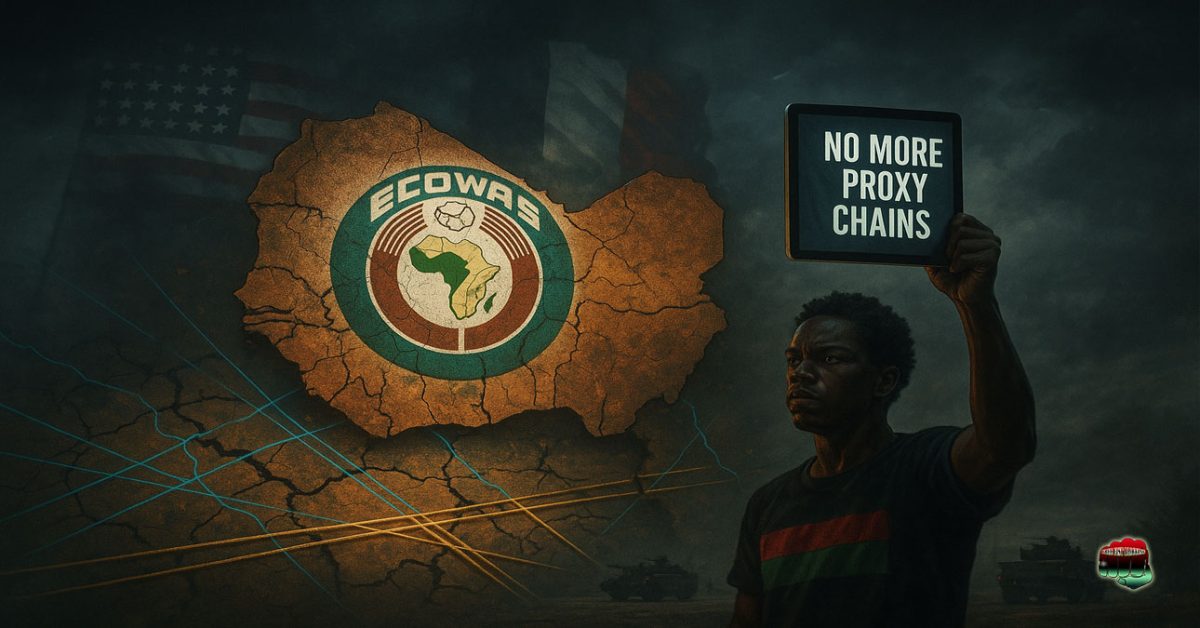
ECOWAS in the Crosshairs: EFFL’s Accusation of Western Puppetry Demands Scrutiny
As populist waves and Pan-African sentiments surge in West Africa, ECOWAS faces growing criticism over its alignment with foreign interests. Can the regional bloc reinvent itself before it loses all grassroots legitimacy?
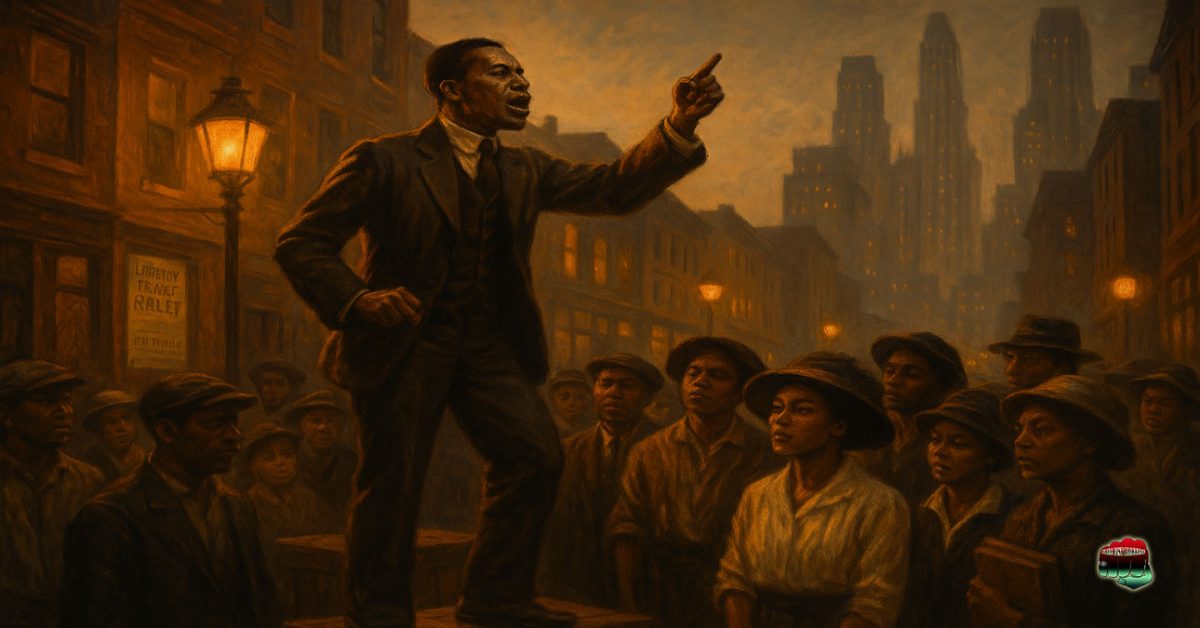
Hubert Henry Harrison: The Radical Voice America Tried to Forget
Hubert Henry Harrison, “the father of Harlem radicalism,” founded the Liberty League and exposed America’s paper-thin democracy. His call to rip white supremacy out by the root still burns today.
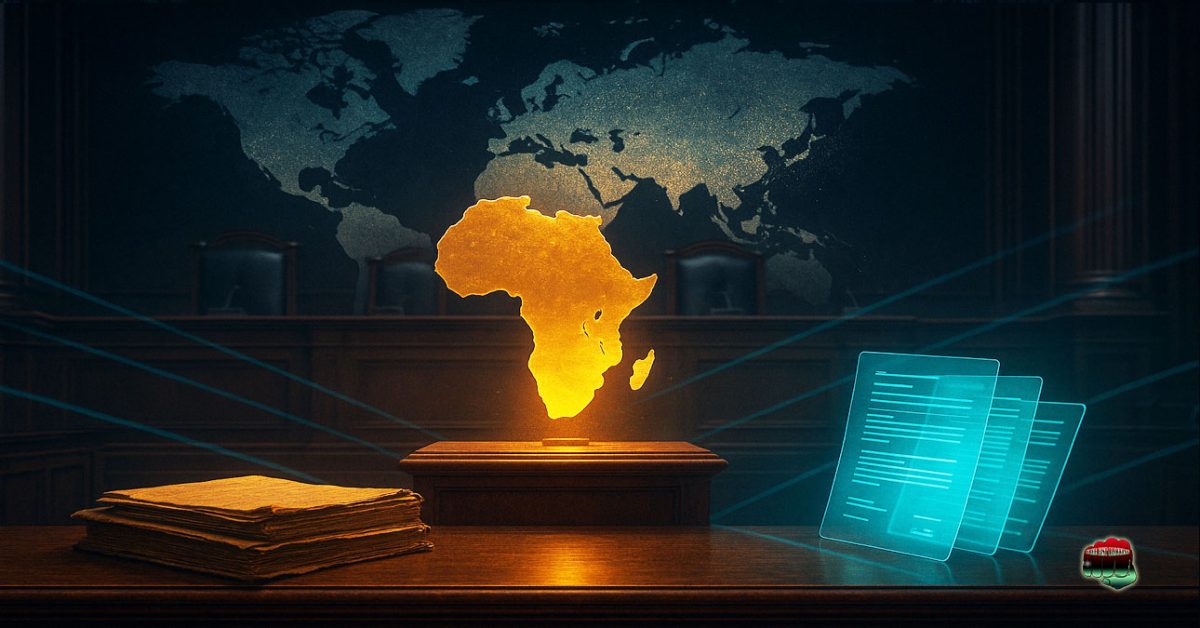
The Invisible Leash on the African Union
How Soft Power, Foreign Influence, and Internal Fractures Constrain Africa’s Pursuit of True Sovereignty By InnerKwest Editorial At first glance, the African Union (AU) is the proud symbol of a continent rising. Its marble halls, diplomatic summits, and bold declarations reflect the aspirations of over a billion people seeking unity, development, and self-determination. But beneath the surface, a complex web …