
The recognition of slavery as a crime against humanity raises a deeper question: who bears the economic consequences. This InnerKwest analysis examines how wealth accumulation, liability, and global resistance shape the debate over reparations.

Below you'll find a list of all posts that have been tagged as “Africa”
The recognition of slavery as a crime against humanity raises a deeper question: who bears the economic consequences. This InnerKwest analysis examines how wealth accumulation, liability, and global resistance shape the debate over reparations.

When systems absorb crisis, disruption doesn’t end—it continues. This InnerKwest analysis examines how history repeats without resolution, linking colonial-era violence to modern conflict through patterns of continuity.

Why did Ethiopian Airlines succeed where others struggled? This report examines the system design, discipline, and long-term strategy behind Africa’s most resilient airline.
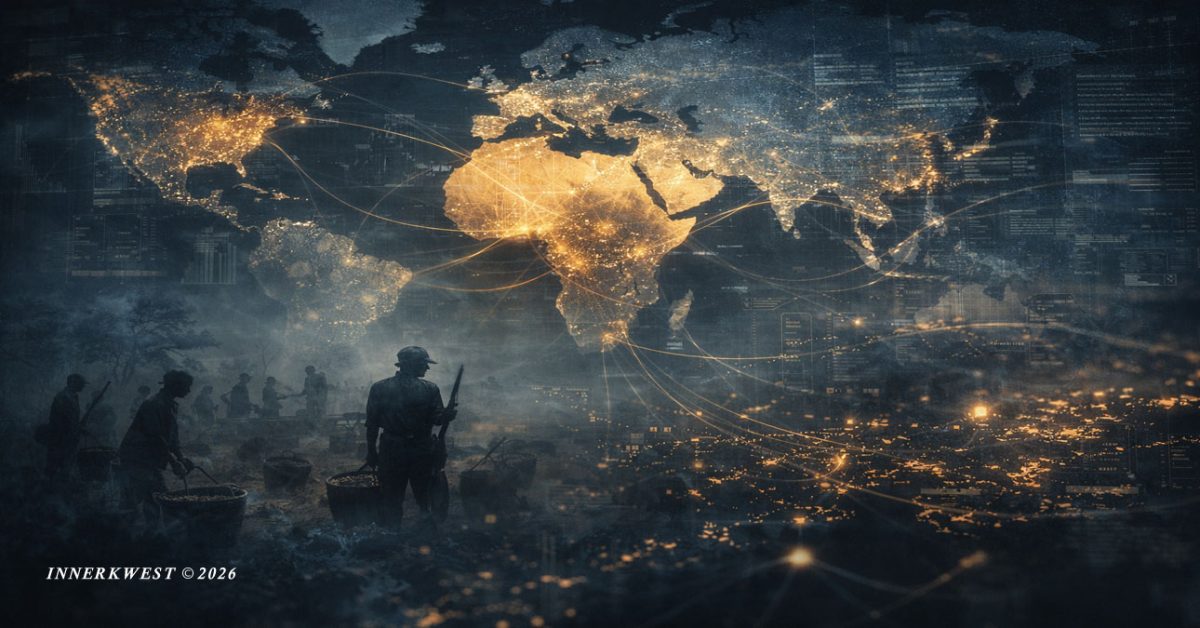
Colonial extraction did not end with slavery—it evolved into modern systems of economic and institutional power. This InnerKwest analysis examines how the Congo and other historical frameworks reveal the continuity of global extraction structures.

More than 60 years after Patrice Lumumba’s assassination, a Belgian courtroom revisits the case. But the trial raises a deeper question: can justice address a system rooted in colonial extraction and geopolitical power?
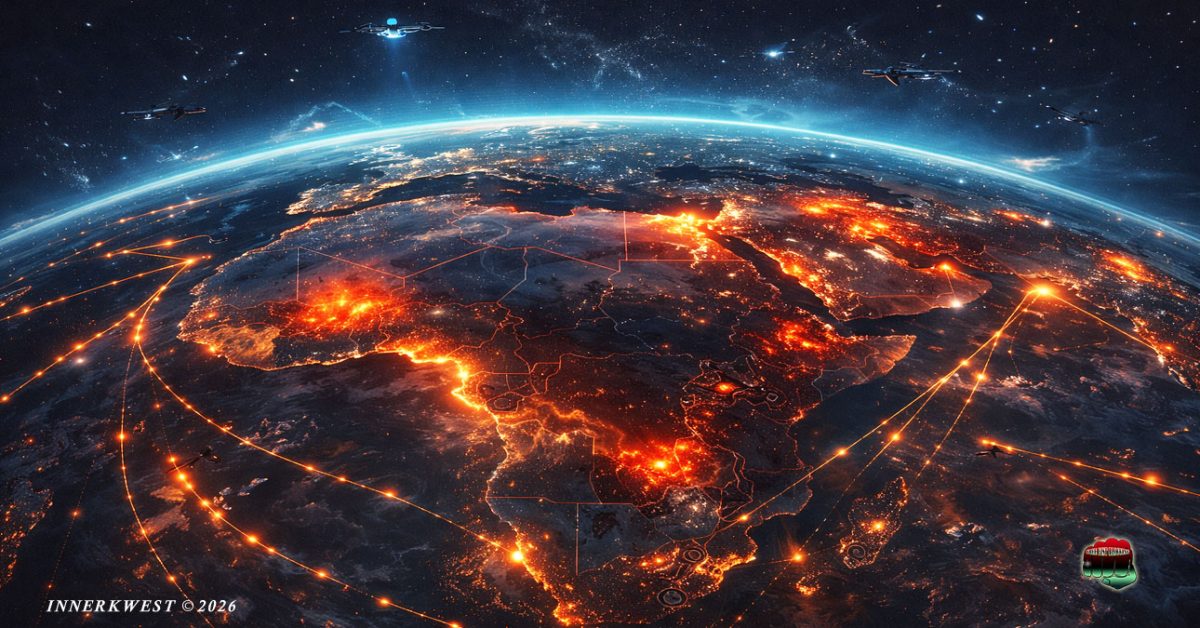
Across Africa’s Horn and Sahel regions, geography, conflict, and global power competition intersect in ways that increasingly shape the strategic map of the 21st century.

By InnerKwest Intelligence Desk | March 2026 SERIES | The Legitimacy Shift: Power, Representation, and the Future of Global GovernanceSpecial Analysis Independence on Paper, Constraint in Practice Across Africa, sovereignty is constitutionally affirmed, internationally recognized, and symbolically celebrated. Yet sovereignty operates on more than parchment. It functions through control over currency, security, capital flows, intelligence, and institutional leverage. The tension …
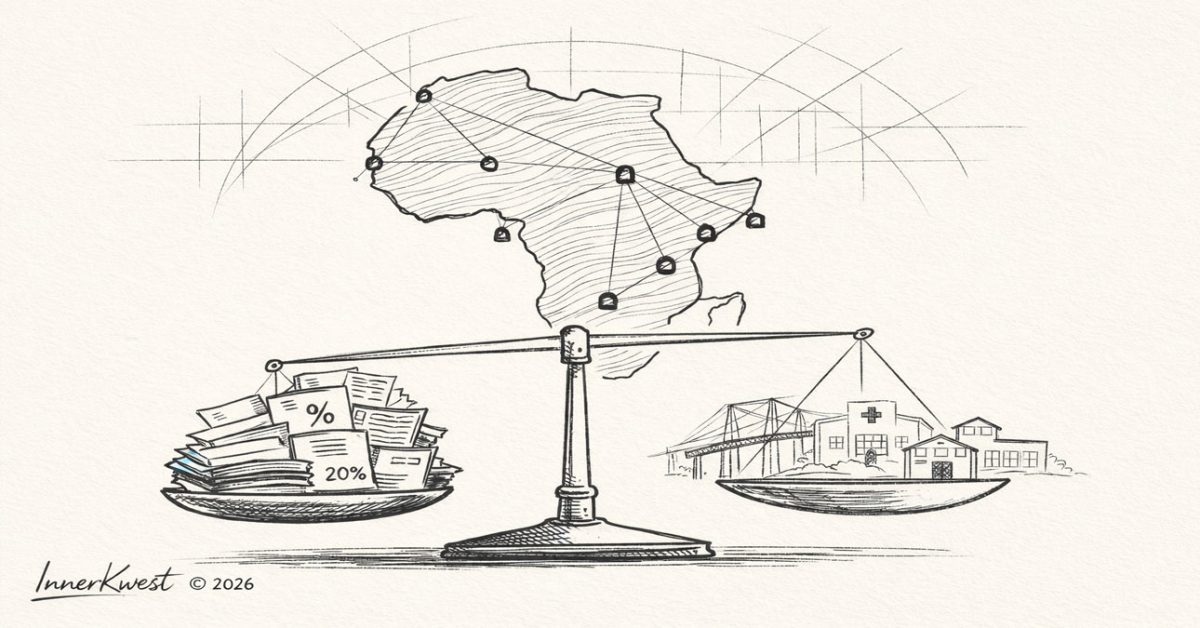
African nations routinely pay the highest borrowing costs in the global financial system, even when their economic fundamentals mirror those of countries elsewhere. This investigation examines how global risk models, banking regulations, and debt-service structures combine to price geography before performance—quietly constraining development, infrastructure, and long-term growth across the continent.

On Christmas Day, bombs fell on Nigeria under the language of security and moral urgency. InnerKwest traces the deeper pattern — a 400-year Western intrusion into Africa’s solvency, sovereignty, and industrial future.

Ghana’s crypto law is not a regulatory milestone—it is a historical marker. From Bitcoin’s ungoverned origins to the institutional sealing of digital finance, a once-in-a-lifetime monetary reconstruction has already taken place. Now, as global standards harden and Africa is openly described as the next profitable frontier, the question is no longer about compliance. It is about timing, power, and whether Africa will enter this era as a sovereign architect of value—or as a well-regulated extraction zone in someone else’s financial endgame.