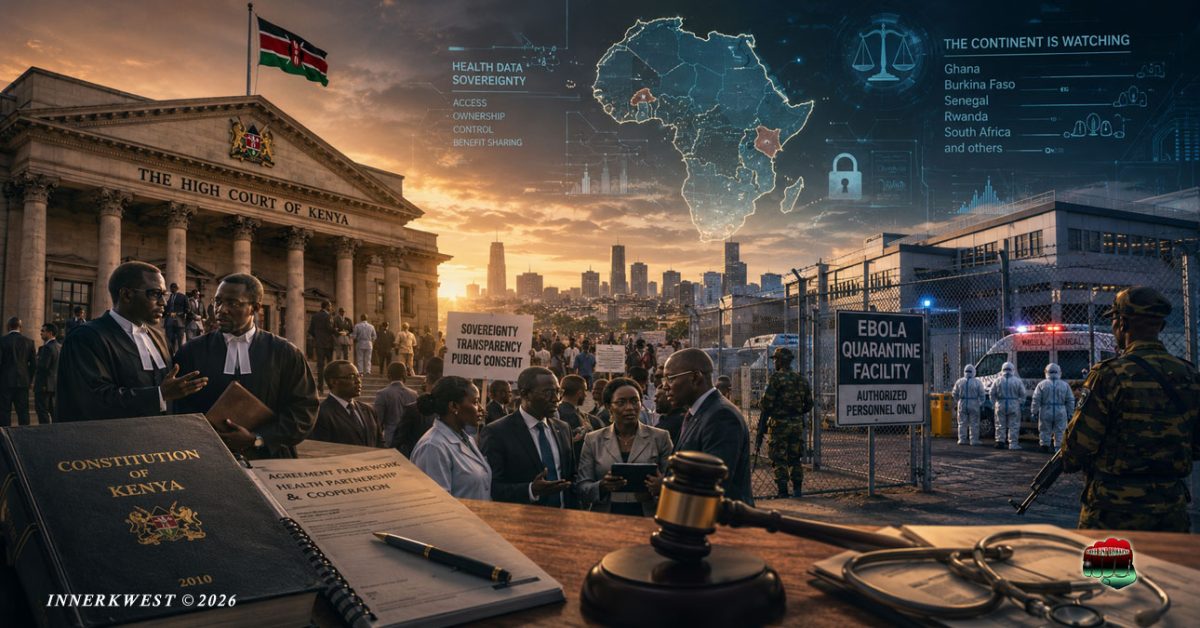
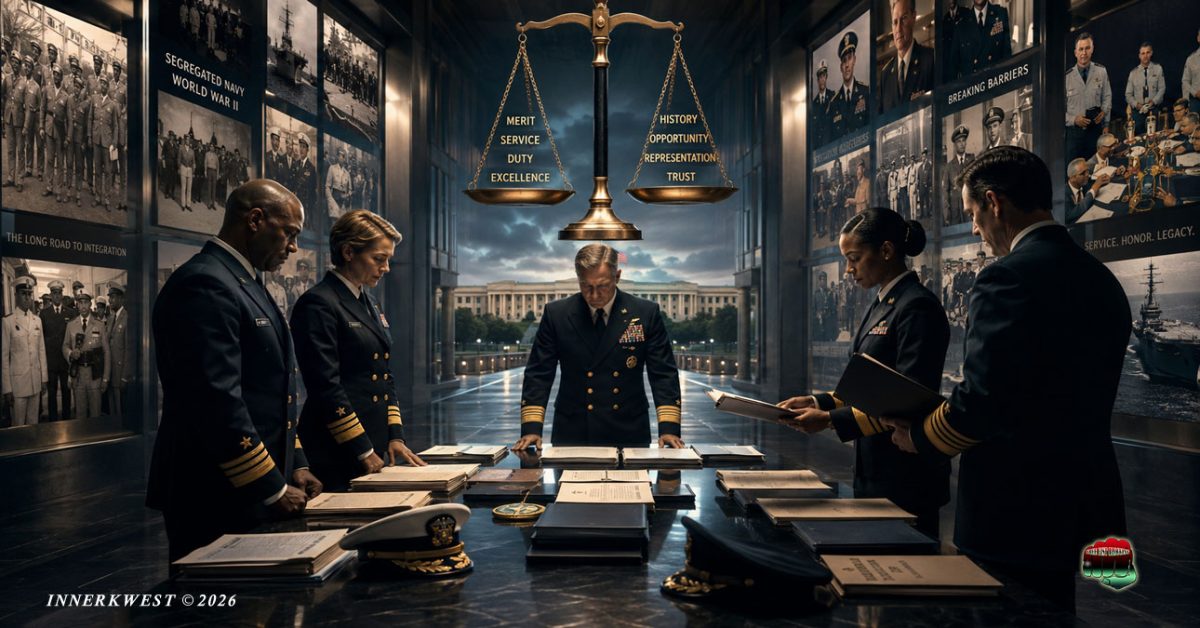
Editorial illustration examining Karen Attiah's Washington Post firing and reinstatement through questions of media power, workplace standards, race, gender and misogynoir.

Karen Attiah Got Her Job Back. The Harder Question Is Why She Lost It.

An arbitrator found that The Washington Post lacked sufficient cause to fire longtime opinion columnist Karen Attiah and ordered her reinstated with back pay. The decision settles an important labor question, but leaves another unresolved: whether race and gender influenced how Attiah’s words were interpreted and why termination became the chosen punishment. Examining that question introduces misogynoir—not as a predetermined verdict, but as a hypothesis that should be tested against evidence.
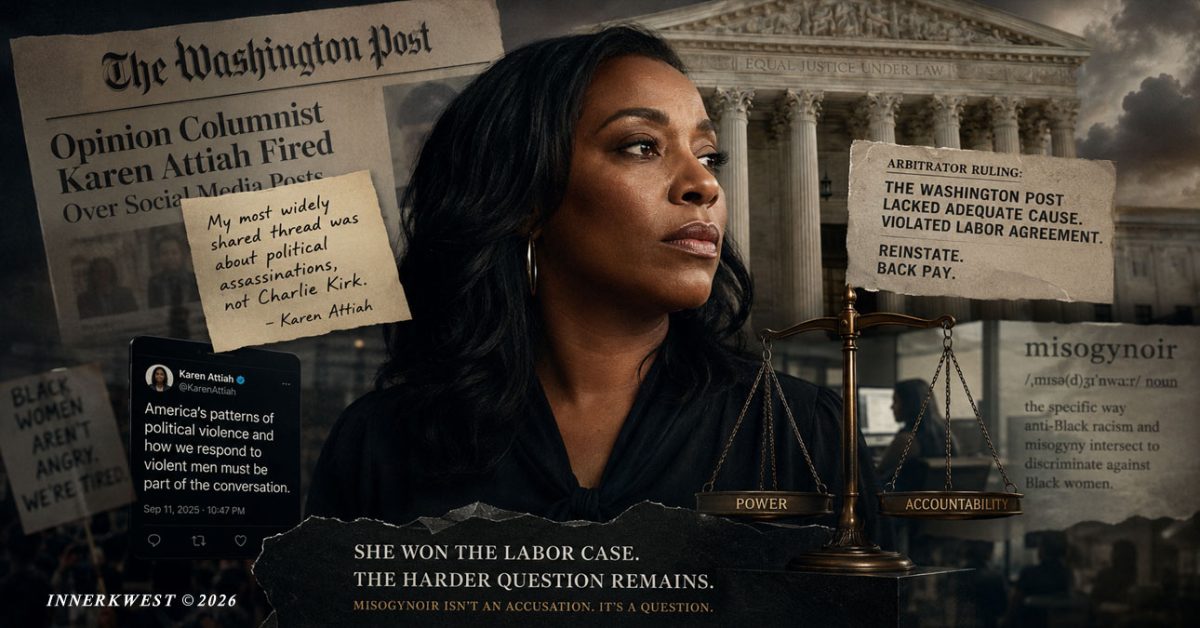
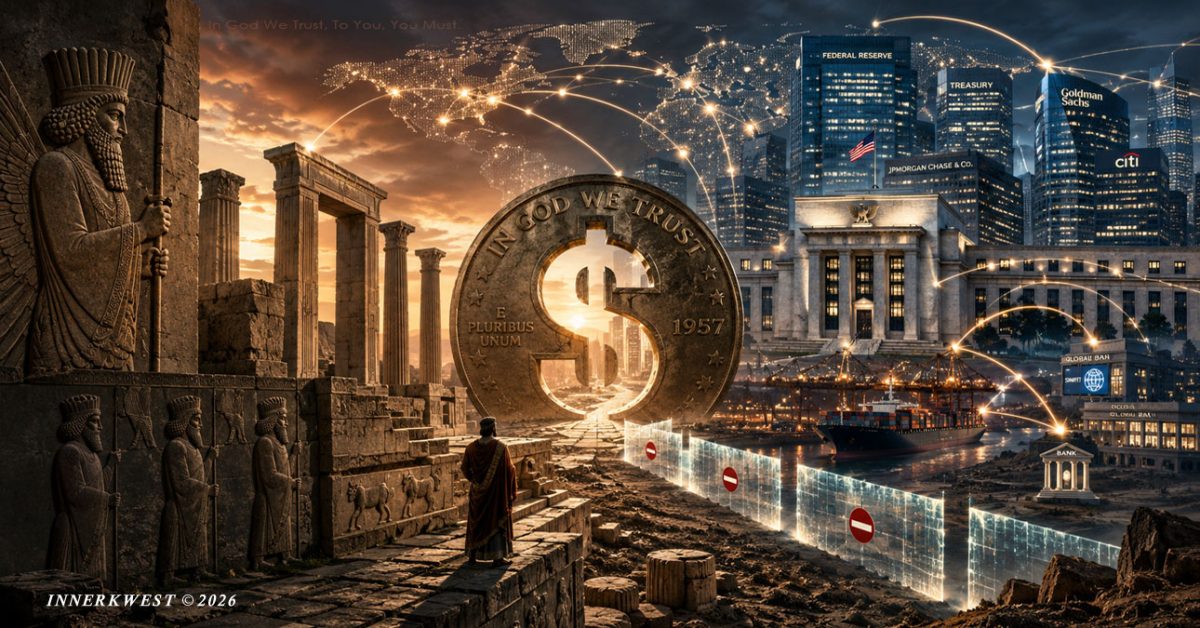
Ancient Persian ruins face a towering U.S. dollar monument and modern financial institutions as glowing global transaction networks encounter barriers, symbolizing the reach of American financial power and sanctions.

Voodoo Economics: America, Persia and the Weaponization of Financial Will

As Washington threatens countries doing business with Iran with exclusion from the dollar-based financial system, an uncomfortable question emerges: when does economic statecraft become the imposition of national will? From America’s Christian symbolism and the biblical legacy of Persia to secondary sanctions, dollar dominance and the growing incentive for financial alternatives, InnerKwest examines the moral, economic and geopolitical consequences of turning the world’s dominant currency into an instrument of coercion.

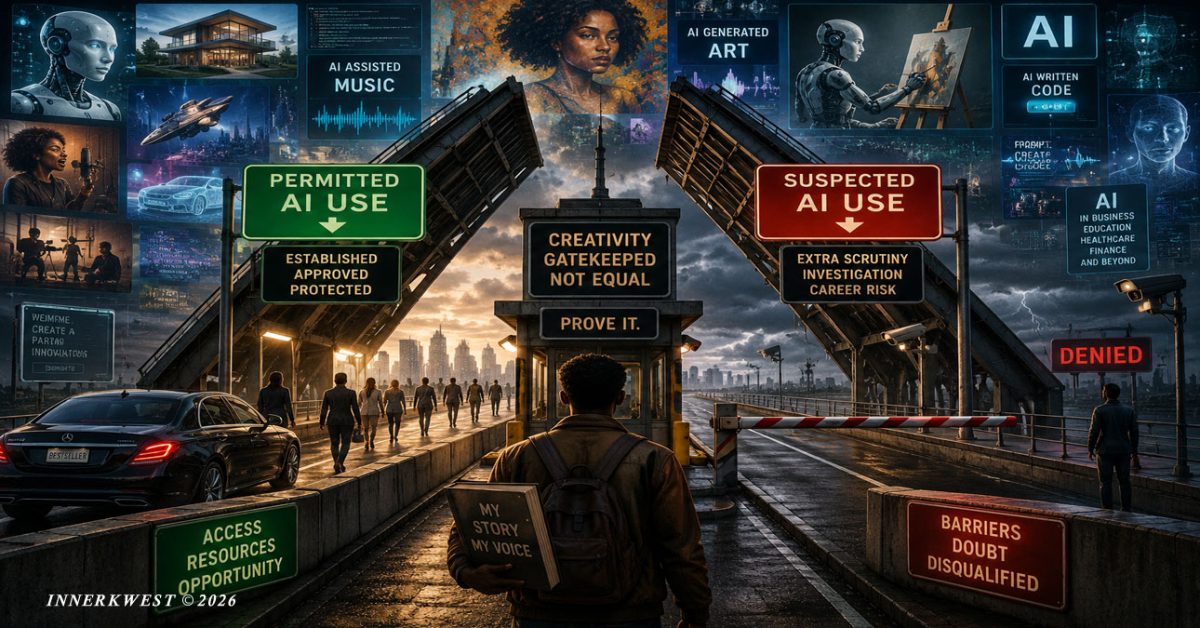
AI is transforming music, film, employment and creative production. Yet Black writers are facing extraordinary consequences over suspected AI use while other authors openly acknowledge using the technology. The Jerry Falade controversy raises a larger question about race, permission and modern literary gatekeeping.

Who Gets to Use AI? The New Gatekeepers of Human Creativity

AI is transforming music, film, employment and creative production. Yet Black writers are facing extraordinary consequences over suspected AI use while other authors openly acknowledge using the technology. The Jerry Falade controversy raises a larger question about race, permission and modern literary gatekeeping.

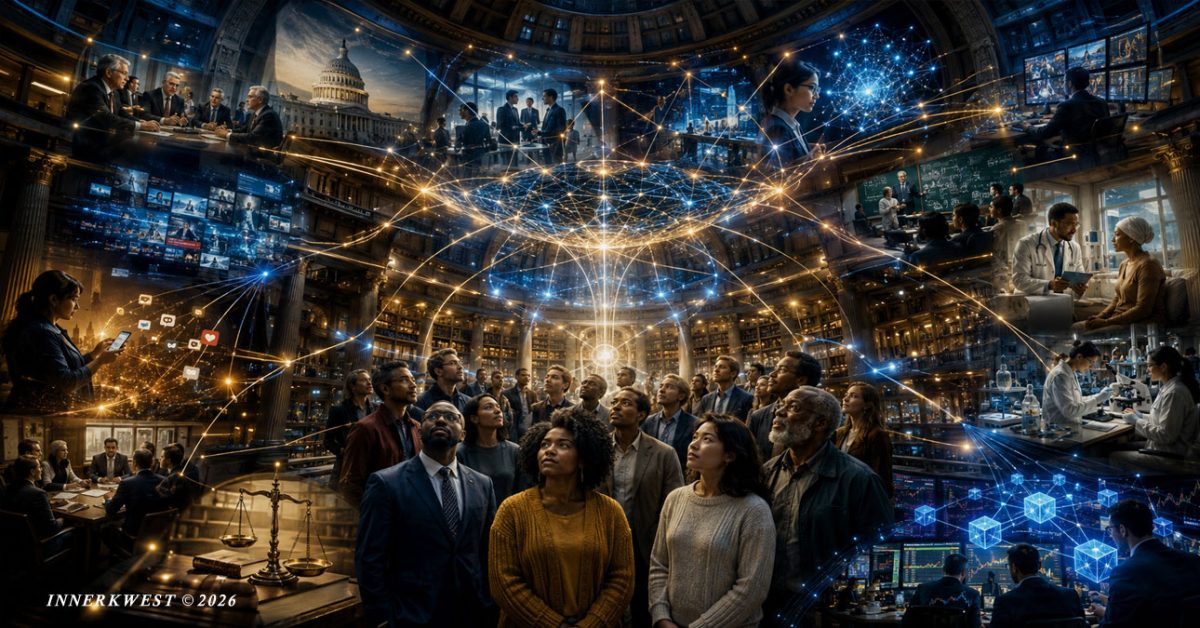
A symbolic illustration showing the evolution of political influence from traditional lobbyists and government institutions to artificial intelligence, recommendation algorithms, digital platforms, healthcare, finance, and interconnected institutional ecosystems shaping modern American society.

From Lobbyists to Algorithms

Power rarely disappears—it evolves. More than a decade after the landmark Gilens and Page study, the architecture of political influence has expanded beyond traditional lobbying into artificial intelligence, recommendation algorithms, institutional ecosystems, and digital platforms. This InnerKwest investigation explores how modern influence now travels through interconnected systems rather than isolated institutions.

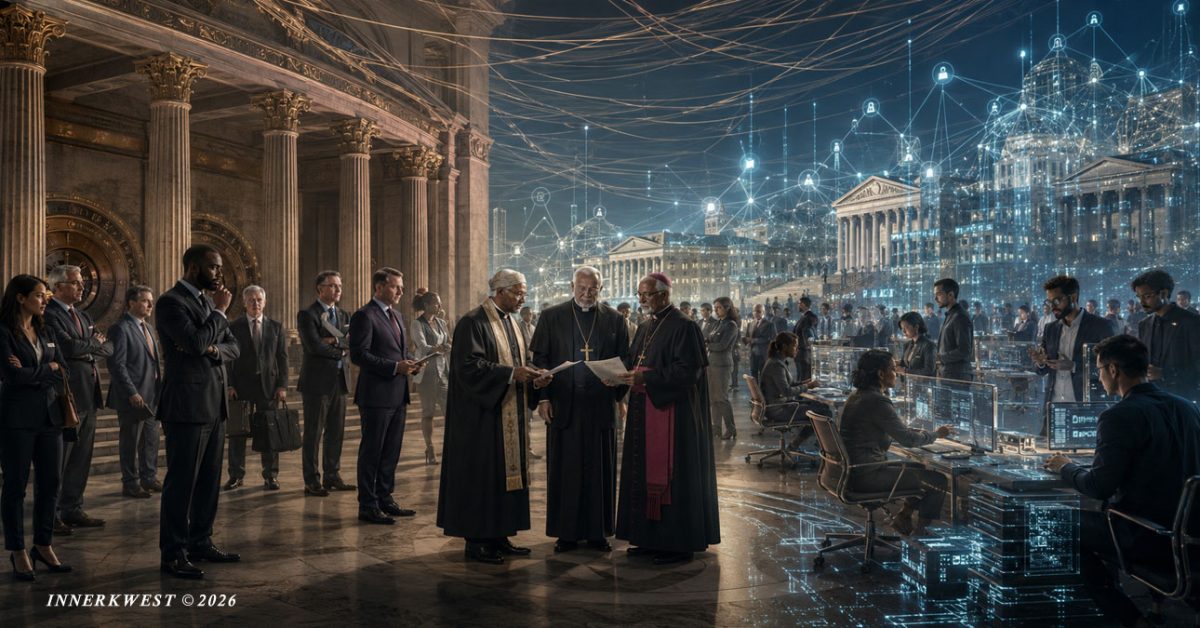
When Banks Recruit the Pulpit

When Banks Recruit the Pulpit: Why the CLARITY Act Became a Battle Over the Future of Banking

What began as cryptocurrency legislation has evolved into something far larger. This InnerKwest Special Report examines how the CLARITY Act became the focal point for banks, faith-based organizations, advocacy groups, and policymakers competing to influence the next architecture of money.

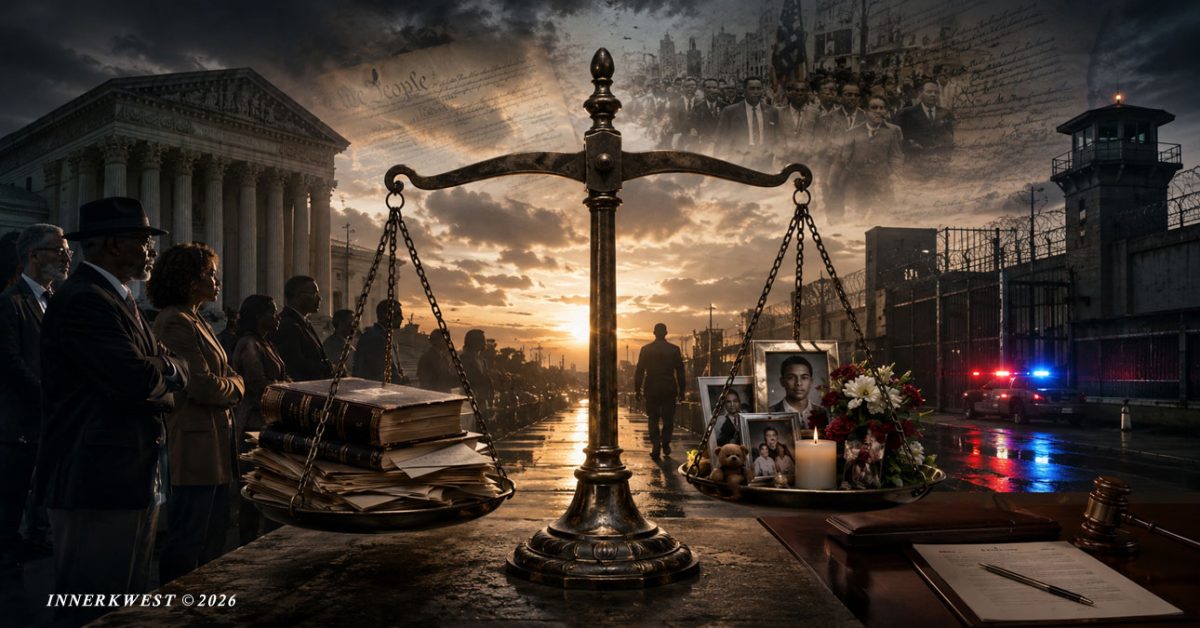
Why the Equal Justice Debate Refuses to Disappear in America

The Question America Keeps Avoiding: What Happens When Equal Justice Stops Feeling Equal

A controversial acquittal. A 35-year prison sentence. A $5,000 bond. A burning cross in Chicago. Legally, these incidents are unrelated. Yet together they have revived one of the most enduring questions in American life: What happens when equal justice stops feeling equal?

IK-JUNE-9

The Bank That Survived Hitler: How Wartime Finance Outlived the War It Helped Navigate

In 1944, delegates voted to liquidate the Bank for International Settlements. The vote passed. The institution survived. The story of how wartime finance outlived the war itself reveals uncomfortable truths about power, continuity, and the architecture beneath modern economic history.

IK-JUNE-8

The Court Said No: Kenya, Health Sovereignty, and Africa’s Changing Relationship with Foreign Aid

What began as a debate over a U.S.-backed Ebola facility has become a larger conversation about sovereignty, constitutional authority, public consent, and how African nations negotiate foreign partnerships in a changing geopolitical era.