
When systems absorb crisis, disruption doesn’t end—it continues. This InnerKwest analysis examines how history repeats without resolution, linking colonial-era violence to modern conflict through patterns of continuity.

Community Sentinel Blog
When systems absorb crisis, disruption doesn’t end—it continues. This InnerKwest analysis examines how history repeats without resolution, linking colonial-era violence to modern conflict through patterns of continuity.

Why did Ethiopian Airlines succeed where others struggled? This report examines the system design, discipline, and long-term strategy behind Africa’s most resilient airline.
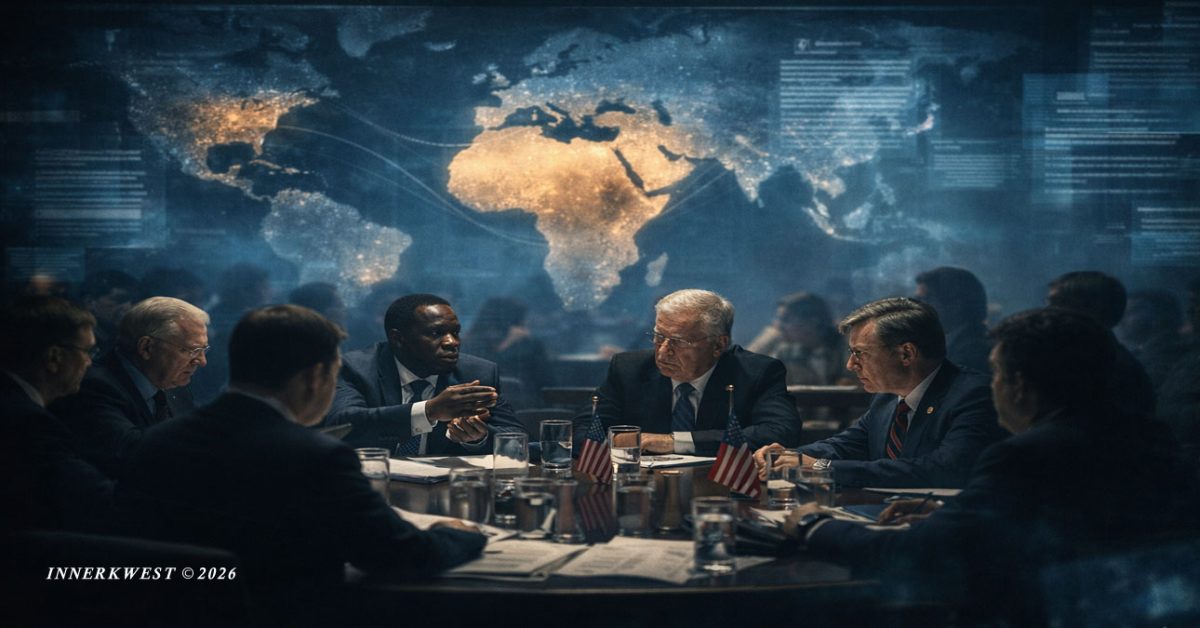
The U.N. resolution recognizing slavery as the gravest crime against humanity passed with broad support—but key nations resisted its implications. This InnerKwest analysis examines how legal arguments, abstentions, and opposition reveal the limits of acknowledgment within existing global systems.

Colonial extraction did not end with slavery—it evolved into modern systems of economic and institutional power. This InnerKwest analysis examines how the Congo and other historical frameworks reveal the continuity of global extraction structures.

From Platform Gatekeeping to System Design Across capital, platforms, and financial systems, persistent disparities in access and visibility continue to shape who is seen, funded, and scaled—and who is not. By InnerKwest Intelligence Desk | March 30, 2026 The Architecture of Visibility The original premise of social media was rooted in the idea of a level playing field—an environment where …

A five-part InnerKwest series examining the U.N. recognition of slavery, global resistance, systemic continuity, and the economic limits of historical accountability.
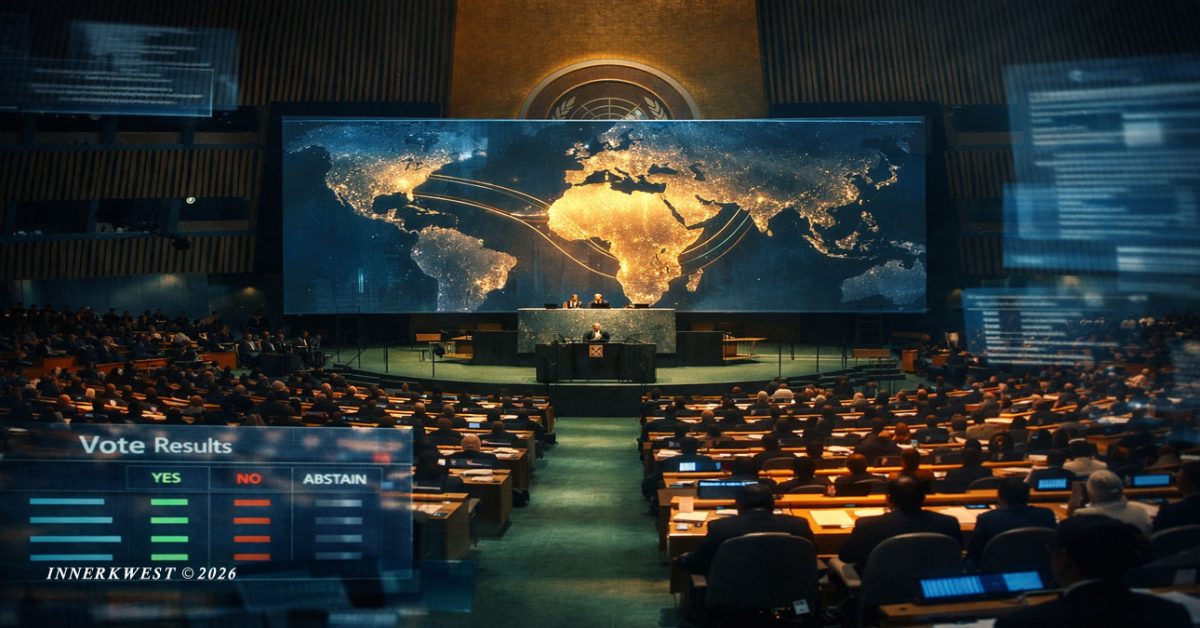
The United Nations has recognized slavery as the gravest crime against humanity, following a resolution led by Ghana. This InnerKwest analysis examines what that recognition establishes—and the deeper questions it leaves unresolved.

Modern technology systems are not neutral—they inherit and scale existing bias through data, algorithms, and institutional design. This InnerKwest analysis examines how bias is embedded across venture capital, digital platforms, and emerging decentralized systems.

More than 60 years after Patrice Lumumba’s assassination, a Belgian courtroom revisits the case. But the trial raises a deeper question: can justice address a system rooted in colonial extraction and geopolitical power?
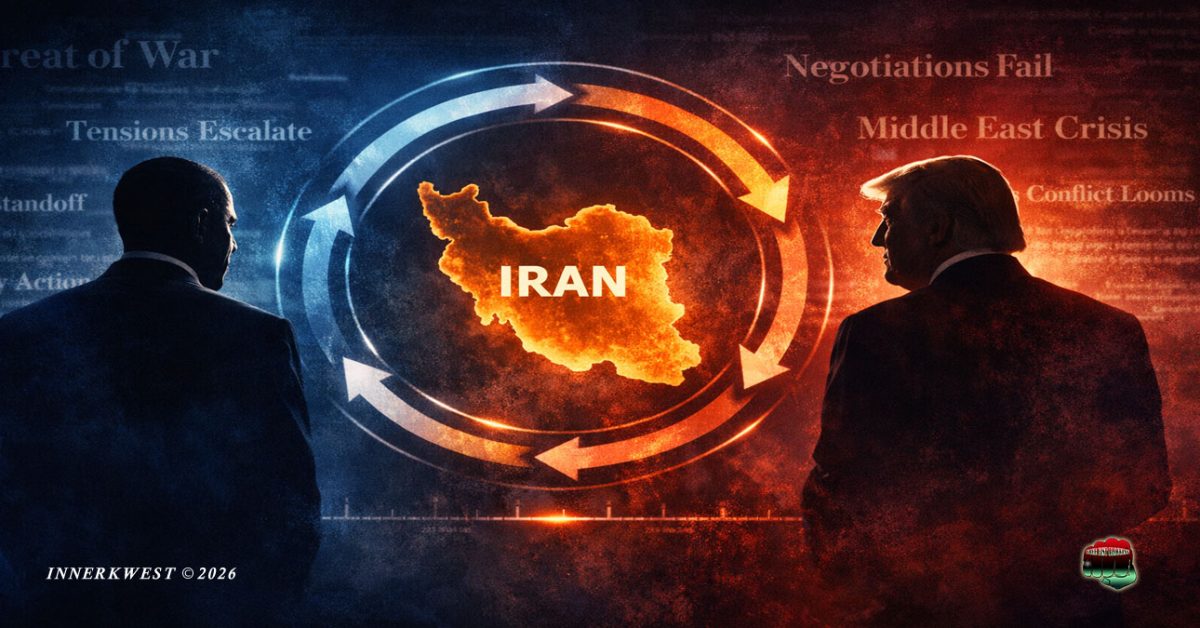
A resurfaced political warning from 2011 is gaining traction again—but not for the reason many assume. Beyond the personalities involved lies a deeper pattern shaping U.S. foreign policy toward Iran, one that transcends administrations and challenges the illusion of political change.