The recognition of slavery as a crime against humanity establishes a global record—but it does not guarantee structural change. This InnerKwest analysis examines how accountability systems absorb acknowledgment without necessarily producing outcomes.

On Record: When History Is Acknowledged—but Not Accepted (Part 2)
The U.N. resolution recognizing slavery as the gravest crime against humanity passed with broad support—but key nations resisted its implications. This InnerKwest analysis examines how legal arguments, abstentions, and opposition reveal the limits of acknowledgment within existing global systems.
On Record: When History Is Acknowledged—but Not Accepted (Part 3)
Colonial extraction did not end with slavery—it evolved into modern systems of economic and institutional power. This InnerKwest analysis examines how the Congo and other historical frameworks reveal the continuity of global extraction structures.
On Record: When History Is Acknowledged—but Not Accepted (Part 1)
The United Nations has recognized slavery as the gravest crime against humanity, following a resolution led by Ghana. This InnerKwest analysis examines what that recognition establishes—and the deeper questions it leaves unresolved.
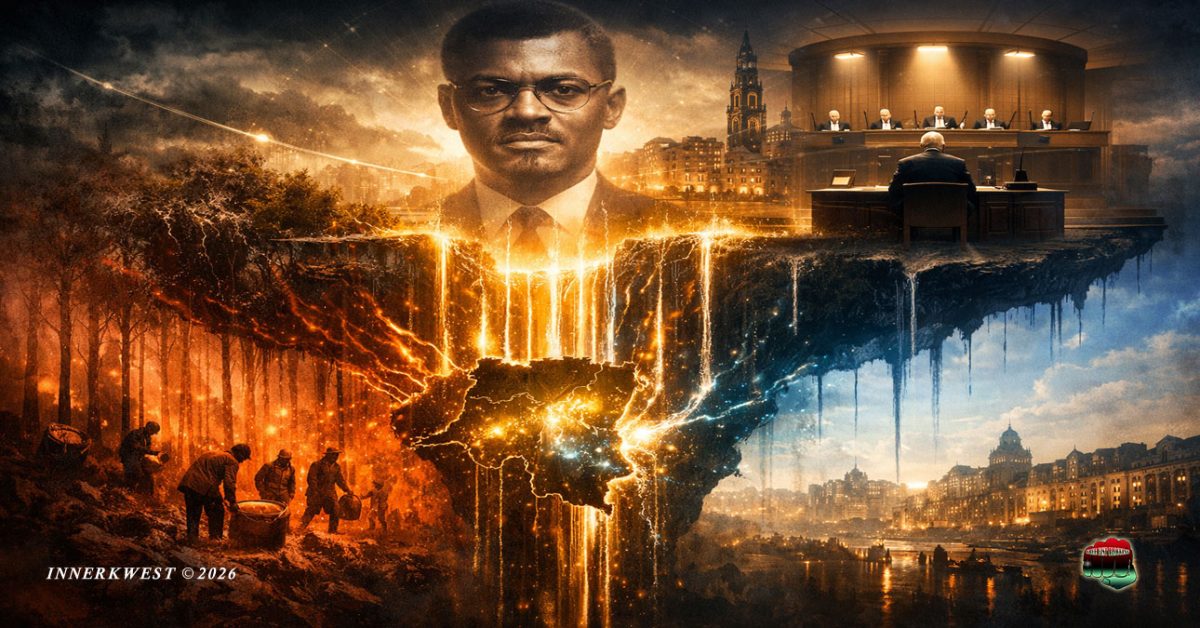
Congo: Extraction, Power, and the Price of Silence — Part I: Lumumba and a Trial 65 Years Too Late
More than 60 years after Patrice Lumumba’s assassination, a Belgian courtroom revisits the case. But the trial raises a deeper question: can justice address a system rooted in colonial extraction and geopolitical power?
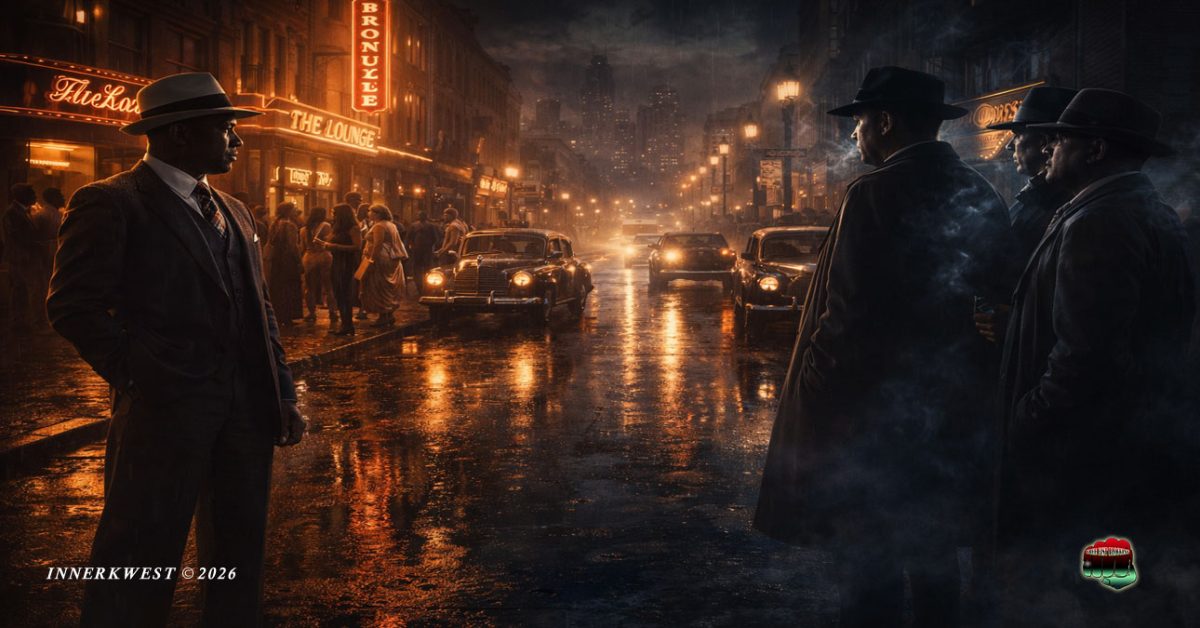
Teddy Roe and the War for Bronzeville: When Chicago’s Underground Economy Refused to Fold
In Prohibition-era Chicago, Bronzeville was more than a neighborhood—it was an economic stronghold. At the center of its resistance stood Teddy Roe, a figure whose influence shaped one of the most contested underground economies in American history.
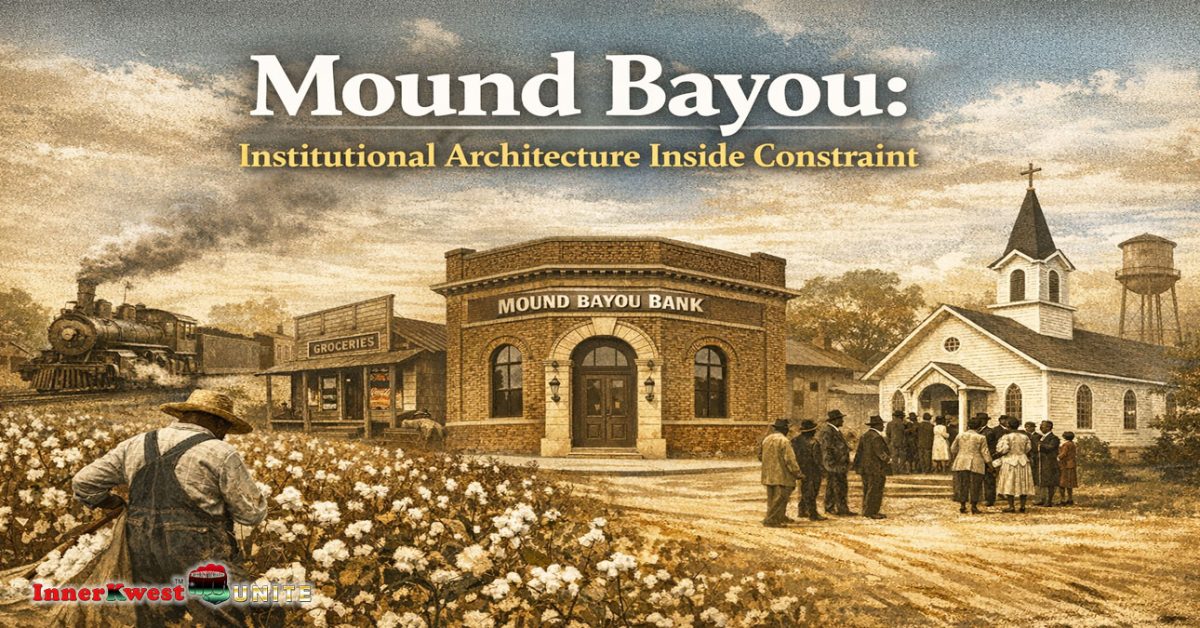
Mound Bayou: The Architecture of Self-Reliance in the Mississippi Delta
In 1887, inside one of the most restrictive political environments in American history, Mound Bayou built land ownership, banking, healthcare, governance, and civic cohesion into a functioning institutional ecosystem. This flagship case study examines how institutional layering created resilience—and how scale compression later tested it.
The Heathen School: When Education Became a Christian Technology of Control
Founded in 1817, the Foreign Mission School in Cornwall, Connecticut sought to remake Native American and Pacific Island youth into “godly men.” This InnerKwest investigation examines how early American education functioned less as learning and more as a Christian technology of control.
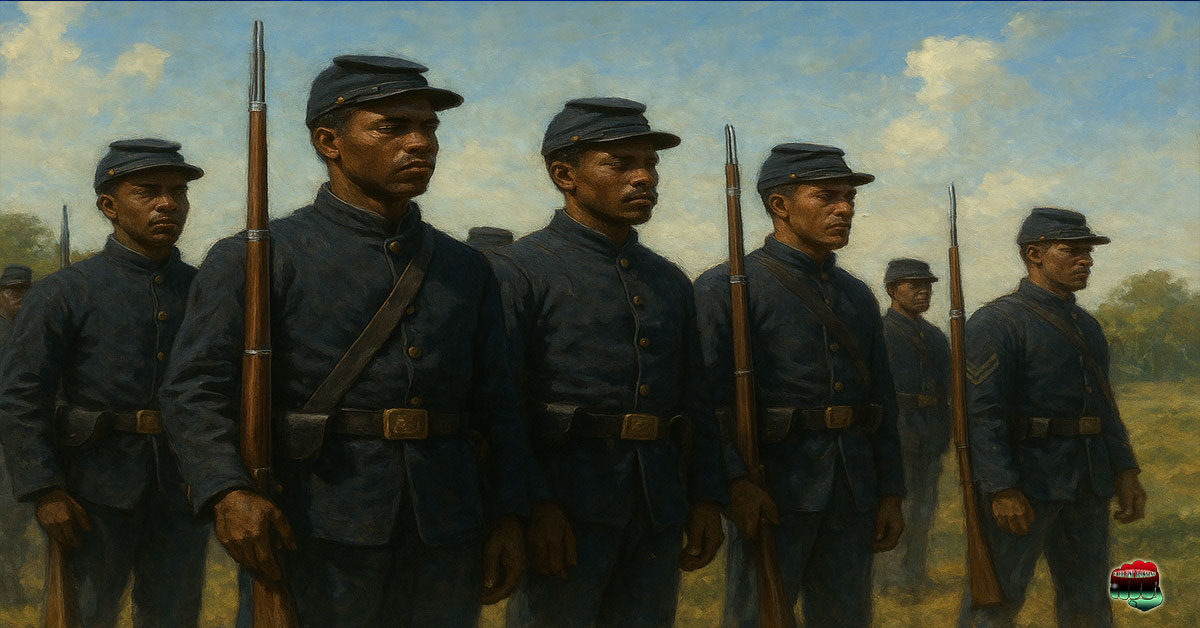
When the Freed Fought Back: The Black Militias Who Faced the Klan — and Won a Nation’s Respect
In 1871, under President Ulysses S. Grant, Black militias in South Carolina stood shoulder to shoulder with U.S. troops to dismantle Ku Klux Klan terror. Led by men like Prince Rivers, Robert Smalls, and Jim Williams, these disciplined defense units proved that when granted the means, freedmen could protect their communities — not through charity, but through courage and organization. Their stand remains one of America’s most overlooked triumphs of Reconstruction.
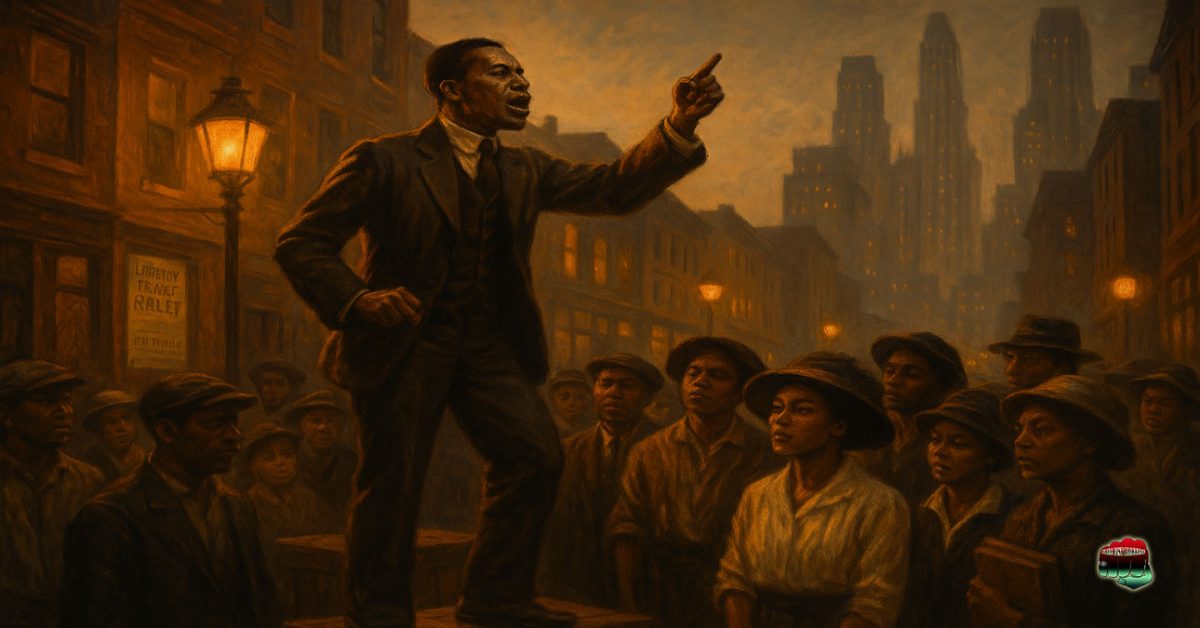
Hubert Henry Harrison: The Radical Voice America Tried to Forget
Hubert Henry Harrison, “the father of Harlem radicalism,” founded the Liberty League and exposed America’s paper-thin democracy. His call to rip white supremacy out by the root still burns today.