
The DOJ’s findings against UCLA’s medical school ignite a broader debate: should merit be defined by scores alone—or by outcomes in patient care?

Below you'll find a list of all posts that have been categorized as “Policy & Governance”
The DOJ’s findings against UCLA’s medical school ignite a broader debate: should merit be defined by scores alone—or by outcomes in patient care?
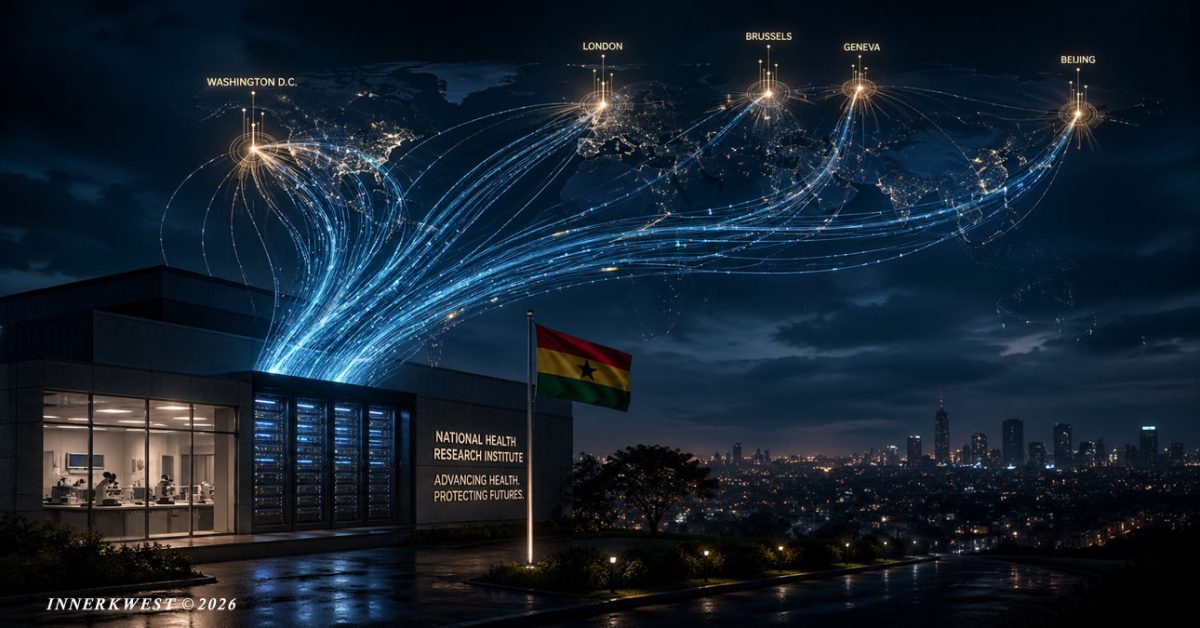
African nations are reassessing U.S. health agreements as concerns grow over data access and sovereignty. This piece examines Ghana’s refusal and the broader policy shift.

Offshore wind projects are being abandoned—not delayed. This piece examines rising costs, grid challenges, and why U.S. energy policy may be shifting away from large-scale offshore wind.
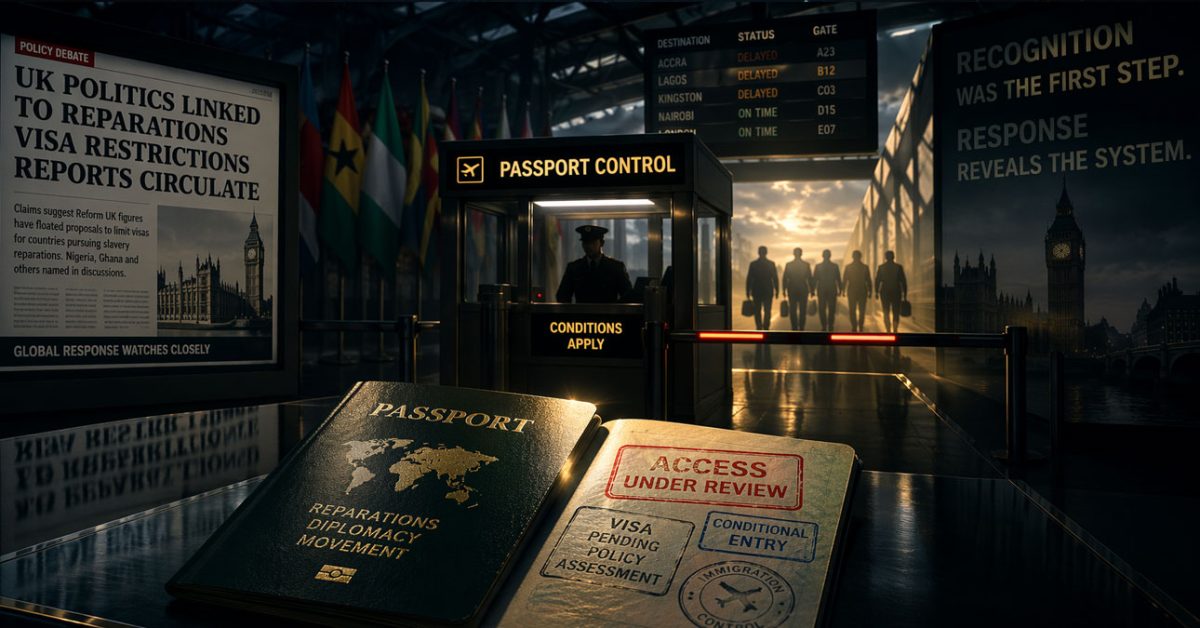
As reparations debates expand globally, new claims suggest immigration policy could be used as leverage. This piece examines the signals, implications, and structural response.

Section 702 allows warrantless surveillance of foreign targets—but U.S. communications can still be captured. This piece examines privacy concerns, access, and what happens when authority doesn’t fully expire.

Foreign investors hold trillions in US assets, but that position is beginning to shift. This piece examines rising yields, accelerating debt, and the structural risk of a debt spiral.

He rose to the highest office in a Southern state.And still, it was not enough to secure what was already his. By Intelligence Desk | April 7, 2026 Origin: Born Into a System That Had No Place for Him P. B. S. Pinchback was born in 1837—not enslaved, but not free in the full sense either. His mother had been …

The recognition of slavery as a crime against humanity establishes a global record—but it does not guarantee structural change. This InnerKwest analysis examines how accountability systems absorb acknowledgment without necessarily producing outcomes.

The recognition of slavery as a crime against humanity raises a deeper question: who bears the economic consequences. This InnerKwest analysis examines how wealth accumulation, liability, and global resistance shape the debate over reparations.

When systems absorb crisis, disruption doesn’t end—it continues. This InnerKwest analysis examines how history repeats without resolution, linking colonial-era violence to modern conflict through patterns of continuity.